
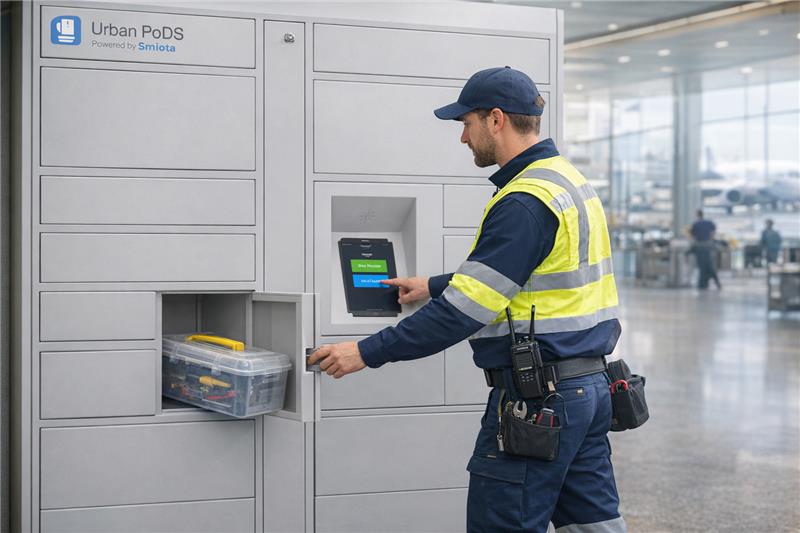
Airports operate 24/7 in highly complex, high-traffic environments where efficient infrastructure management is essential to ensure passenger safety, comfort, and smooth operations. Even minor maintenance issues can disrupt services if not resolved quickly. However, traditional tool and spare-part management often causes delays. Smiota smart lockers provide a secure, automated storage solution that improves access to maintenance equipment, speeds up response times, and enhances operational transparency – helping airports maintain high service standards and seamless operations.
In this article, let us dive deep into how smart lockers help improve operational efficiency and enhance customer experience in airports.
Maintenance Challenges in Modern Airport Environments
Airport maintenance directly impacts safety, operational efficiency, and passenger satisfaction. Because airports operate around the clock, even minor issues require immediate attention to avoid service disruptions.
1. Diverse and Time-Sensitive Requirements
Maintenance teams handle a wide variety of critical tasks, including:
- Electrical maintenance – replacing bulbs, repairing fixtures, maintaining power systems, fixing panels
- Plumbing repairs – restroom maintenance and water system fixes
- Mechanical upkeep – escalators, conveyor belts, and other essential equipment
- General infrastructure maintenance in passenger-facing areas
Since many of these issues occur in high-traffic zones, delays can quickly lead to congestion, safety concerns, and negative passenger experiences. Fast response times are essential to maintaining smooth airport operations.
2. Limitations of Traditional Tool and Spare-Part Management
Despite urgent maintenance needs, many airports rely on conventional storage systems. While common tools may be readily available, specialized equipment is often stored in centralized warehouses or off-site facilities, causing retrieval delays.
Traditional systems also create operational gaps, such as:
- Time-consuming coordination between teams
- Manual tracking and limited visibility
- Difficulty monitoring tool access and returns
- Risk of misplaced equipment and stock shortages
- Increased maintenance downtime
As airports expand and modernize, these inefficiencies highlight the need for a more secure, automated, and responsive storage solution.
Understanding Smart Lockers and Their Role in Airports
Smart lockers are secure, automated storage systems designed to provide controlled access to tools, spare parts, and maintenance supplies. Using new-age technology, they allow airports to digitally manage and track stored items in real time.
Key features include:
- Secure access control for authorized personnel
- Real-time digital tracking of tools and components
- Customizable compartments for different equipment types
- Automated access records for every transaction
Many solutions, such as Smiota’s smart locker systems, include locker software that continuously monitors inventory levels and logs usage data. This eliminates manual tracking, reduces errors, and improves operational visibility.
Additionally, smart lockers are scalable, enabling airports to expand installations as infrastructure and maintenance demands grow.
Key Benefits of Using Smiota Smart Lockers in Airport Maintenance
Smiota smart lockers are built for high-security, fast-paced environments like airports. They integrate seamlessly with existing IT and security systems, allowing supervisors to centrally monitor usage, manage inventory, and control access. With flexible deployment across terminals and maintenance zones, these lockers provide quick tool access wherever needed, while their user-friendly interface supports efficient, time-sensitive operations.
Here, let us look at the benefits of using Smiota smart lockers in airports in detail.
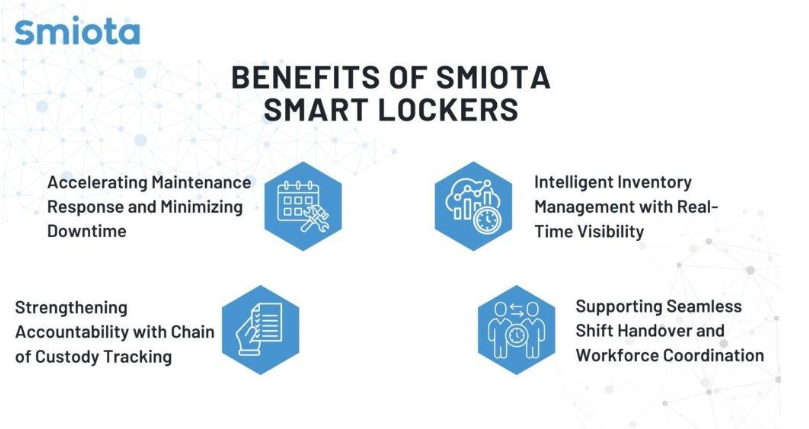
1. Faster Maintenance Response
By placing essential tools and spare parts closer to operational areas, smart lockers eliminate delays caused by warehouse retrieval or equipment transport. This enables:
- Immediate access to required tools
- Faster repair completion
- Reduced equipment downtime
- Fewer service interruptions
As a result, airport operations remain smooth and uninterrupted.
2. Stronger Accountability with Chain-of-Custody Tracking
Smart lockers record every access event, creating a transparent and secure audit trail. The system tracks:
- Who accessed the locker
- When an item was removed
- When it was returned
This visibility reduces equipment loss, prevents misuse, and provides airport management with greater operational control.
3. Real-Time Inventory Visibility
With automated inventory monitoring, maintenance teams can track stock levels accurately without relying on manual processes. Key advantages include:
- Continuous inventory updates
- Early identification of shortages
- Proactive replenishment planning
- Reduced administrative workload
This intelligent inventory management ensures essential tools and spare parts are always available when needed.
4. Supporting Seamless Shift Handover and Workforce Coordination
Airport maintenance operations run around the clock, requiring smooth coordination between different work shifts. Smiota smart lockers serve as secure exchange points where outgoing teams can deposit tools or replacement components for incoming personnel. This ensures seamless communication, prevents misplaced equipment, and supports uninterrupted maintenance operations.
The major operational advantages of Smiota smart lockers include:
- Faster access to tools and spare parts, reducing maintenance delays
- Secure authentication methods that restrict unauthorized access
- Comprehensive tracking and accountability for all stored items
- Real-time inventory monitoring and proactive replenishment planning
- Improved coordination between maintenance teams across multiple shifts
Enhancing Passenger Experience and Operational Efficiency with Smiota Smart Lockers
Maintenance efficiency directly impacts passenger satisfaction and overall airport reputation. Malfunctioning lighting, damaged equipment, or plumbing issues can inconvenience passengers and create safety concerns. Smiota smart lockers enable maintenance teams to resolve issues quickly, ensuring airport facilities remain safe, clean, and fully functional.
By reducing time spent searching for tools or coordinating with warehouse teams, maintenance personnel can focus on repair tasks. This improved productivity helps airports maintain consistent service standards while optimizing workforce efficiency. Faster maintenance turnaround times also help airports avoid operational bottlenecks and maintain smooth passenger flow.
Conclusion: Why Smiota Smart Lockers Are a Strategic Investment for Airports
Airport maintenance operations require secure, efficient, and reliable solutions to ensure continuous infrastructure performance and passenger satisfaction. Traditional storage and tool management methods often result in delays, inefficiencies, and accountability challenges. Smiota smart lockers address these issues by providing automated and secure storage solutions that improve maintenance response times, enhance inventory visibility, and strengthen operational transparency.
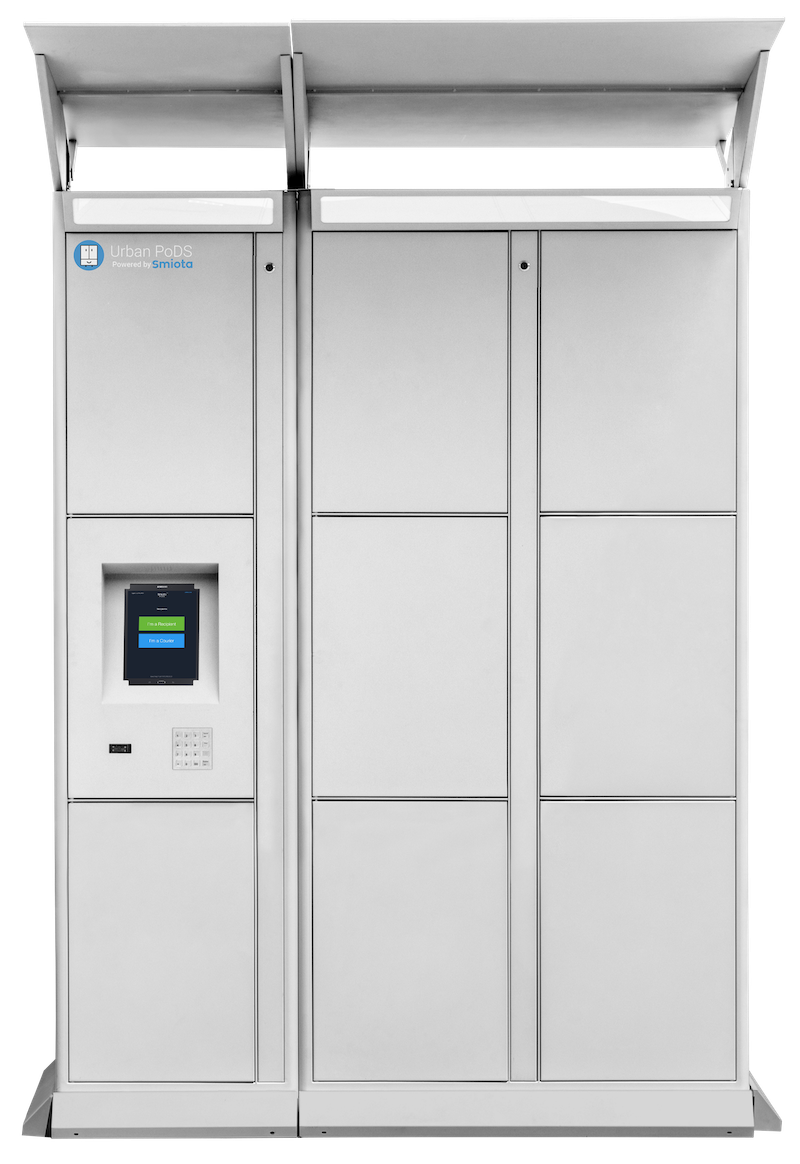
By supporting seamless workforce coordination and storage, Smiota smart lockers help airports achieve higher efficiency and reliability. As airports continue to modernize and adopt advanced technologies, Smiota smart lockers represent a strategic investment that enhances maintenance operations and contributes to a superior passenger experience.
To explore how our smart lockers can enhance your airport’s operations, get in touch with us today.