

Package volumes are rising, shared assets are moving faster than ever, and users expect instant, frictionless access. Whether you manage a corporate mailroom, a multifamily property, a university campus, or a retail operation, lockers alone are no longer enough. What truly determines success is the intelligence behind them. That intelligence comes from reliable, flexible, and future-ready locker management software.
Locker management software is the operational backbone that controls access, tracks usage, automates communication, and ensures security. Choosing the right smart locker and locker software can dramatically reduce manual workload, eliminate errors, and improve user experience across every touchpoint. In this blog, we break down the most important features to look for when evaluating locker management software, so you can invest with confidence.
Features to Consider While Evaluating a Locker Management Software
1. Centralized Dashboard for Complete Visibility
At the heart of any effective locker system is a centralized dashboard. This is where administrators gain full visibility into locker availability, usage patterns, system health, and user activity. High-quality locker management software provides a single interface to monitor operations in real time, whether you are managing one location or hundreds.
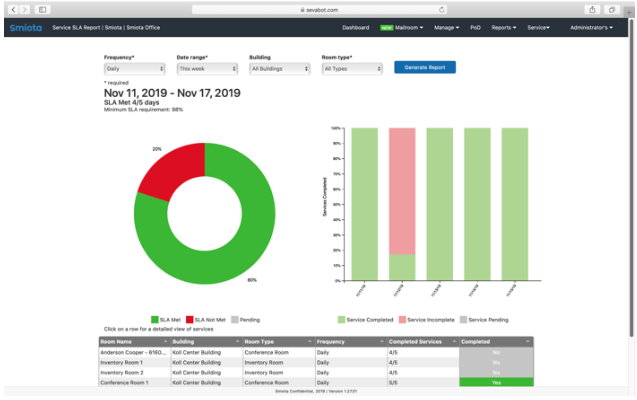
A centralized dashboard allows teams to identify bottlenecks quickly, resolve issues proactively, and maintain consistent performance across locations. Instead of juggling spreadsheets, emails, or manual logs, everything lives in one secure, easy-to-use platform.
2. Automated Notifications and Smart Communication
One of the biggest operational drains in locker-based workflows is manual communication. Calling recipients, sending reminder emails, or following up on uncollected items wastes valuable staff time. This is where automation becomes essential.
Modern locker management software should automatically notify users when items are delivered, ready for pickup, overdue, or returned. These notifications can be sent via SMS, email, or mobile app alerts. Automation not only improves efficiency but also sets clear expectations for users, reducing confusion and missed pickups.
3. Secure and Flexible Access Control
Security is non-negotiable when it comes to lockers, especially in environments handling packages, documents, or high-value assets. The best locker management software supports multiple authentication methods to balance security with convenience.
This includes PIN codes, QR codes, RFID cards, mobile app access, and time-bound credentials. Flexible access control ensures that only authorized users can retrieve items, while also allowing organizations to tailor access based on roles, schedules, or use cases. A secure system protects both the contents of the lockers and the trust of your users.
4. Seamless Integrationwith Existing Systems
No system should operate in isolation. Locker management software must integrate seamlessly with the tools you already use. This might include property management systems, HR platforms, asset management tools, access control systems, or internal databases. For example, Smiota’s smart locker systems can be integrated with popular ILS (Integrated Library System) such as Koha, Polaris, and Sirsi Dynix.
Robust APIs allow locker software to fit naturally into existing workflows rather than disrupting them. Integration reduces duplication of effort, improves data accuracy, and ensures that locker operations support broader organizational processes instead of creating new silos.
5. Scalability for Growing Needs
What works today may not work tomorrow. As organizations grow, so do their locker requirements. Scalable locker management software allows you to add more lockers, users, locations, or features without overhauling the system.

Cloud-based architecture plays a key role here. It enables remote management, centralized updates, and easy expansion across multiple sites. Scalable software ensures that your investment remains relevant as your operations evolve.
6. Real-Time Analytics and Actionable Reporting
Data-driven decision-making is no longer optional. The right locker management software provides detailed analytics and reporting that help organizations understand how lockers are being used.
These insights may include locker utilization rates, pickup times, delivery volumes, peak usage periods, and user behavior trends. With access to real-time data, administrators can optimize locker placement, adjust workflows, and improve overall efficiency. Analytics turn lockers from passive storage units into active operational assets.
7. Role-Based Access and Administrative Controls
Not every administrator needs the same level of access. Role-based controls are an essential feature of enterprise-grade locker management software. They allow organizations to assign specific permissions to different users, such as super admins, site managers, or support staff.
This improves accountability, enhances security, and ensures that teams can manage their responsibilities without unnecessary risk. Role-based access is especially important in large organizations or multi-site deployments.
8. Reliability and Offline Functionality
Locker systems often operate in environments where uninterrupted access is critical. Whether it is a hospital, a residential community, or a logistics hub, downtime can quickly turn into frustration.
Reliable locker management software should support offline functionality, allowing lockers to continue operating even during temporary network disruptions. Once connectivity is restored, data should sync automatically. This ensures consistent service, protects user trust, and minimizes operational risk.
9. Enterprise-Grade Security and Compliance
Security extends beyond physical access. Locker management software handles sensitive data, including user information, access logs, and transaction records. Strong security measures are essential to protect this data.
Look for software that includes encryption, secure cloud infrastructure, regular security audits, and compliance with standards such as SOC 2 and ISO 27001. Enterprise-grade security not only protects your organization but also reassures users that their data is handled responsibly. For instance, Smiota’s locker management software comes with world-class security features and has been approved (and used) by some of the tech giants such as Facebook and Spotify. This is testament to our focus on security and data protection.
10. Customization and Branding Capabilities
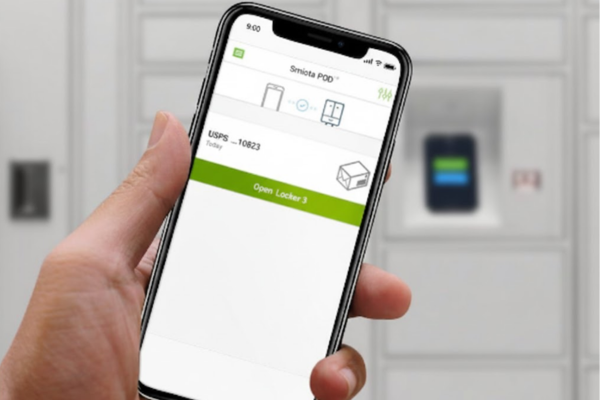
User experience matters. Locker management software should be customizable to reflect your brand, workflows, and communication style. This may include branded user interfaces, customized notification templates, and configurable rules for locker usage.
Customization helps lockers feel like a seamless extension of your organization rather than a generic third-party tool. It also improves adoption rates and overall satisfaction among users.
11. Easy Deployment, Training, and Ongoing Support
Even the most powerful software fails if it is difficult to deploy or use. Intuitive design, clear onboarding processes, and comprehensive training resources are key features to look for.
In addition, responsive support and regular updates ensure long-term success. Reliable locker management software evolves with user needs, introducing new features and improvements without disrupting operations.
How the Right Locker Management Software Transforms Operations
When all these features come together, the impact is significant. The right locker management software reduces manual effort, eliminates errors, enhances security, and delivers a smoother experience for both administrators and users.
Across industries, organizations see faster delivery turnaround, lower operational costs, improved accountability, and higher satisfaction levels. Lockers stop being a pain point and start becoming a strategic advantage.
Final Words
Selecting the right locker management software is about more than checking boxes. It is about choosing a solution that aligns with your operational goals, scales with your growth, and delivers real value every day. From centralized dashboards and automated notifications to security, analytics, and integrations, the features you choose will shape how effectively your locker system performs.
Smiota’s lockers and locker management software are designed with these principles at its core. Built to be secure, scalable, and intuitive, they empower organizations to manage lockers smarter, faster, and more efficiently. If you are ready to modernize your locker operations and unlock their full potential, connect with the Smiota team today to explore a solution tailored to your needs.