
The world of last-mile delivery has changed dramatically over the past decade. As online shopping becomes the dominant mode of retail, delivery networks are under more pressure than ever before. Consumers expect fast, flexible, and reliable delivery, while businesses struggle to keep operational costs under control.
In this challenging landscape, smart lockers are emerging as one of the most promising technologies to shape the future of last-mile logistics. They provide a secure, automated, and cost-efficient way to deliver parcels and streamline distribution. More importantly, they resolve many of the long-standing problems associated with traditional delivery methods, including missed deliveries, porch theft, and inefficient route planning. As e-commerce continues to expand, smart lockers are no longer an optional amenity—they are becoming an essential part of modern delivery ecosystems.
The Growing Pressure on Last-Mile Delivery Networks
Last-mile delivery is historically the most expensive and unpredictable step in the logistics chain. As package volumes rise, carriers face the challenge of delivering individually to thousands of households every day. Traffic congestion, unavailable recipients, and address inaccuracies increase failed deliveries, leading to operational waste.
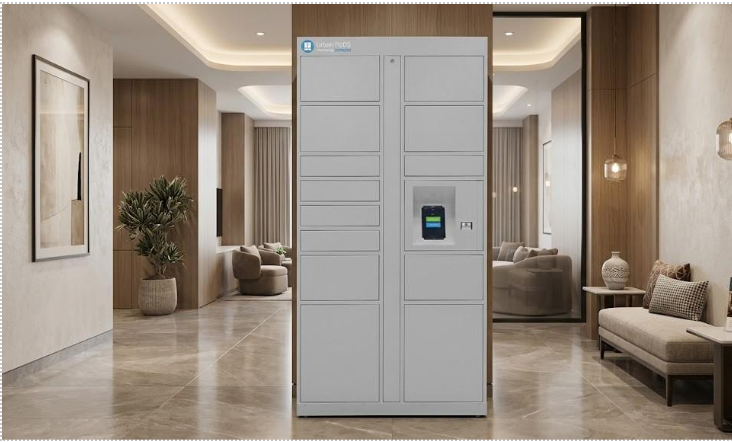
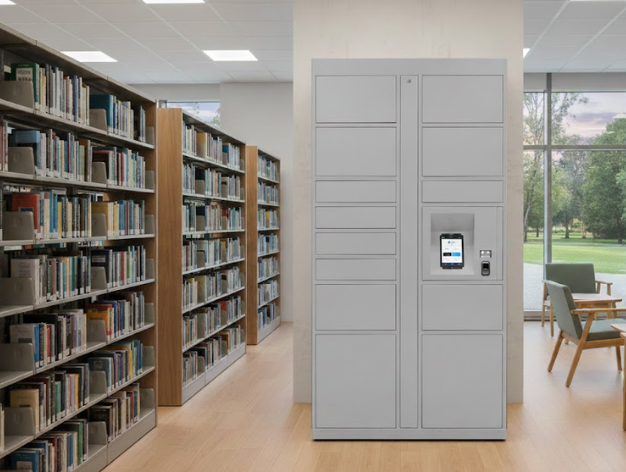
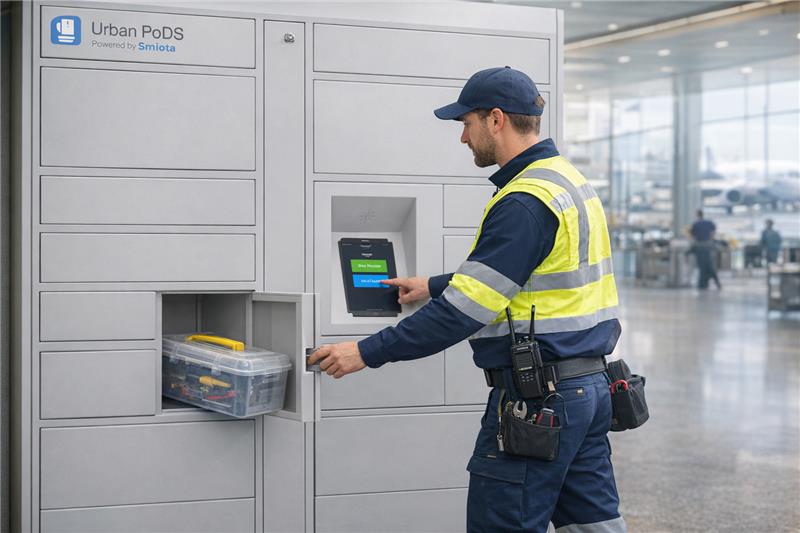
Smart lockers address these obstacles by offering a single secure destination for multiple deliveries. Instead of attempting multiple doorstep drop-offs, carriers can deliver dozens of packages to one locker location in a single stop. This dramatically reduces the time spent on individual routes, lowers fuel consumption, and increases overall delivery productivity. As cities become more crowded and package volumes continue to rise, this type of consolidation will be essential for maintaining efficient delivery operations.
The Rise of 24/7, Contactless Delivery Solutions
Customer expectations have evolved, especially since the rise of contactless services during the pandemic. People want the freedom to pick up parcels at any time without depending on carrier schedules. Smart lockers fulfill this need by allowing customers to collect parcels 24 hours a day, 7 days a week. When a delivery arrives, the recipient receives a digital code or QR link, enabling them to retrieve their package in seconds. This eliminates the frustration of waiting for drivers or missing important deliveries due to work or travel constraints. At the same time, contactless access provides additional safety and peace of mind, especially for those who prefer minimal human interaction. This blend of flexibility and convenience is a major reason why smart locker systems are rapidly gaining popularity among consumers.
Enhancing Security in the Era of Package Theft
With millions of parcels left unattended on doorsteps daily, package theft—often called porch piracy—has become a major concern for both retailers and consumers. Traditional deliveries offer very little protection once a parcel is dropped off, leaving it vulnerable until the customer retrieves it.
Smart lockers eliminate this risk entirely. The secure, steel-built compartments protect parcels from tampering, unauthorized access, and weather damage. Every package drop-off is logged in the system, and retrieval requires a unique access code or QR scan. Advanced systems like Smiota’s also integrate optional surveillance and monitoring features for added security. As the demand for safer deliveries grows, these security benefits make smart lockers an indispensable part of last-mile operations.
The Role of Smart Lockers in Micro-Fulfillment and Hyperlocal Delivery
As retailers and logistics providers search for faster delivery options, micro-fulfillment centers have become an important part of supply chain innovation. These small warehouses place inventory closer to customers, enabling faster pickup and delivery. Smart lockers extend the efficiency of micro-fulfillment by serving as the final distribution point. Instead of requiring customers to interact with staff or wait in line, lockers allow for instant, self-service order collection. This creates an ecosystem where inventory is stored nearby and distributed seamlessly. Whether customers choose same-day pickup or on-demand delivery, lockers help retailers meet expectations for speed without increasing operational complexity. In the future, as same-hour delivery models expand, lockers will likely become the backbone of hyperlocal logistics.
Conclusion
Smart lockers are redefining what last-mile delivery can achieve. They simplify logistics, reduce operational costs, improve security, and provide customers with unprecedented flexibility. As e-commerce continues to grow, the challenges of traditional delivery methods will only intensify. The answer lies in automated, intelligent distribution systems that can handle high demand without sacrificing efficiency or customer satisfaction. Companies like Smiota are leading this transformation with advanced locker solutions that integrate seamlessly into modern delivery networks. Looking ahead, smart lockers will not just complement last-mile delivery—they will become central to its evolution.
FAQs
1. Are smart lockers more reliable than home deliveries?
Yes. Smart lockers reduce the likelihood of missed deliveries, failed attempts, or stolen parcels, making them significantly more reliable than doorstep drop-offs.
2. Do customers need an app to retrieve packages from smart lockers?
Not necessarily. With Smiota lockers, customers can use QR codes, PINs, or mobile links to access their packages without needing a dedicated app.
3. How do smart lockers help carriers save time and money?
By consolidating multiple deliveries into one stop, lockers shorten delivery routes, reduce fuel usage, and eliminate the need for repeat attempts.
4. Can smart lockers support high package volumes during peak seasons?
Absolutely. Locker systems are designed to handle high traffic and large volumes, making them ideal for holiday seasons and major sales events.