Smart lockers have become one of the most useful tools for modern libraries. As communities expect convenient access, contactless pickup options, and longer availability beyond staffed hours, self-service locker systems offer libraries the ability to deliver materials without requiring staff to be present at every handoff. Whether a patron wants to pick up a reserved book at 7 a.m. or return materials when the branch is closed, lockers make it possible.
But with more libraries exploring this technology, a common question emerges: Which locker system is the right fit?
In this blog, we compare two recognizable names in this space: Smiota and Bibliotheca. While both offer secure, automated pickup systems, their core purpose and design philosophies differ. Understanding these differences helps libraries choose a solution aligned with their workflows, goals, and long-term plans.
Here’s a clear, human-friendly breakdown of how each system works, their strengths, and when each one makes the most sense.
Smiota Smart Lockers: Key Features, Benefits, and Use Cases
Overview & Purpose
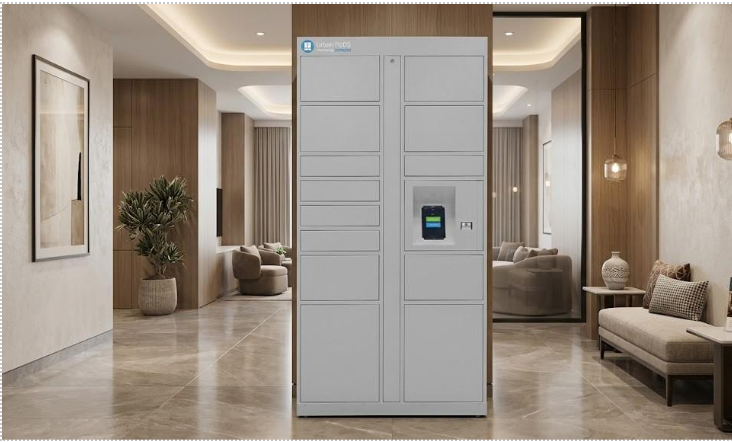
Smiota is best known as a smart package locker specialist, a company that builds lockers not just for libraries, but for residential communities, corporate mailrooms, universities, retail stores, and campuses. Our system is designed from the ground up to handle the complexity of modern logistics: parcels, mail, deliveries, oversized items, groceries, temperature-controlled goods, and more.
This is why libraries have started considering Smiota: our locker solutions are built to be flexible, scalable, and capable of handling real-world delivery needs far beyond basic book pickup. It’s a locker system that comfortably works in various environments and adapts to different item types, usage patterns, and user expectations.
The core purpose is simple: automate drop-off and pickup in a secure, traceable, self-service way.
Key Features & Benefits
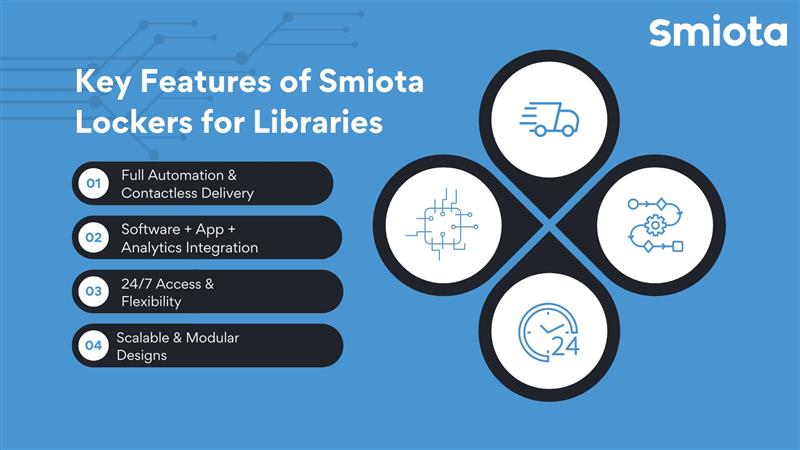
1. Full Automation & Contactless Delivery
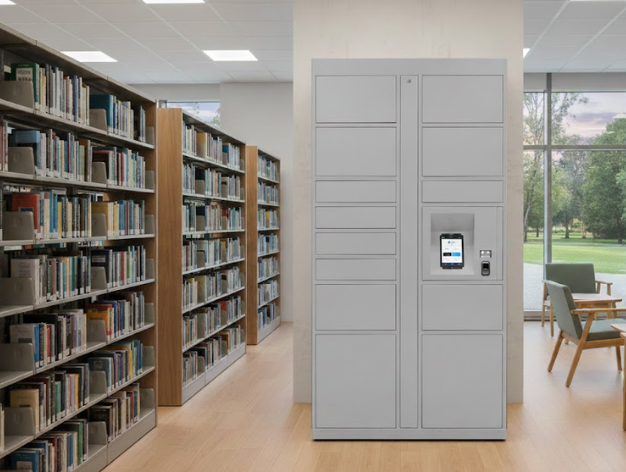
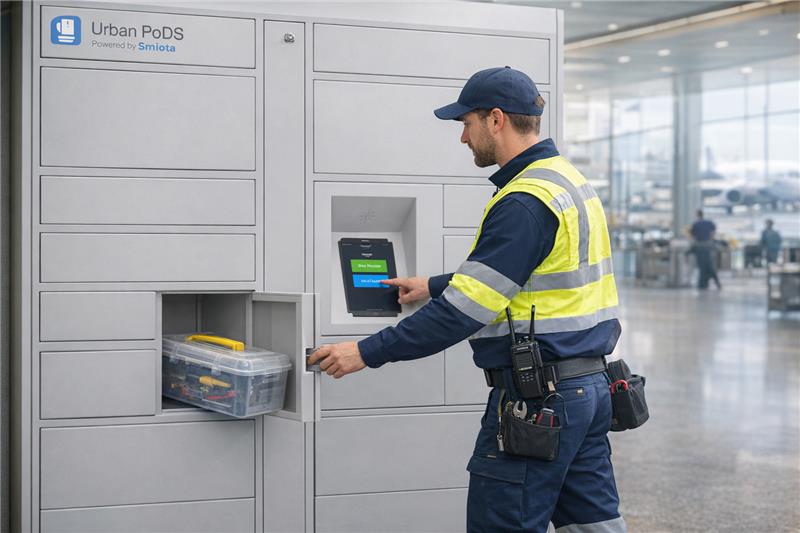
Couriers, staff, or delivery personnel can drop packages using a QR code or PIN, and the recipient is instantly notified through the mobile app or email. Patrons or residents scan their code and retrieve the item without needing staff involvement. This reduces desk traffic and introduces an efficient self-service flow.
2. Software + App + Analytics Integration
Unlike basic hardware-only systems, Smiota combines:
- a smart locker interface
- a cloud-based software platform
- a mobile app
- analytics and reporting tools
Users and staff can track every delivery, check chain-of-custody, monitor locker utilization, and streamline workflows through a centralized dashboard.
3. 24/7 Access & Flexibility
Whether in a residential tower, campus building, office, or library, Smiota lockers ensure uninterrupted availability. Users can collect items whenever it suits them, after work, on weekends, or during off-hours.
4. Scalable & Modular Designs
Smiota lockers come in various sizes and configurations. They can be:
- indoor or outdoor
- refrigerated or temperature-controlled
- oversized
- or expanded to meet growing demand
This flexibility is valuable for libraries with diverse collections and equipment types.
Typical Use Cases & Ideal Audience
Smiota is widely used in:
- Residential complexes needing automated package and mail management
- Retailers and eCommerce brands offering secure BOPIS (Buy Online, Pick Up in Store)
- Corporate offices and campuses automating mailroom processes
- Universities managing parcels, equipment, and internal deliveries
- Any organization that handles circulation of parcels, kits, equipment, or mixed items
This versatility is what makes Smiota appealing to libraries seeking a system that can support more than just book pickups.
Check out how Fossil Ridge Library is using Smiota lockers to enhance patron and staff experience:
What Is Bibliotheca? Lockers Built for Libraries
Overview & Purpose
Bibliotheca’s locker product, often marketed as remoteLocker, is part of their larger library-focused technology ecosystem. Everything Bibliotheca offers is designed specifically for libraries, including self-checkout kiosks, return systems, and materials handling tools. Their lockers fit neatly into that ecosystem, allowing libraries to offer convenient pickup and returns without needing to keep service desks open.
While the solution is solid for basic library workflows, its functionality is intentionally narrow: the product is built for library holds, returns, and browsing, not multi-environment logistics.
Key Features & Benefits
1. 24/7 Pickup & Return Access
Libraries can extend access beyond staffed hours. Patrons can pick up holds early in the morning, late at night, or anytime the branch is closed.
2. Browse & Borrow Option
Some locker models offer transparent doors so patrons can view items inside, essentially creating a small browsable “mini shelf.”
3. Easy Returns
With integrated return compartments or bins, patrons can return materials without entering the library building or waiting in line.
4. Extends Library Reach
Bibliotheca lockers can be placed in:
- community centers
- parking lots
- partner locations
These setups help libraries serve remote or underserved communities without constructing new branches.
Typical Use Cases & Ideal Audience
Bibliotheca lockers are ideal for:
- Public libraries offering after-hours pickup or extending services to remote neighborhoods
- Institutions expanding access to media kits, STEM kits, or non-traditional materials
- Libraries needing simple holds and returns workflows without additional delivery complexity
Bibliotheca vs. Smiota: How Their Focus Shapes What They Deliver
While both companies offer secure, self-service lockers, their design philosophies and target users differ significantly.
Bibliotheca: Purpose-Built for Libraries
Bibliotheca’s products revolve around improving how libraries operate. Their system is deeply tied to existing library workflows, and the locker solution matches traditional library needs: placing holds, returning books, and providing basic browsing.
Their ecosystem includes self-checkout stations, automated return systems, and other core library tools, all built to enhance the library patron experience.
The focus is clear: library workflows first.
But because the product line is tailored to this singular environment, its flexibility ends there.
Smiota: Smart-Locker Specialists with Broader Expertise
Smiota has one specialization, smart lockers, and because of that, its capabilities extend across multiple industries. The system supports:
- package deliveries
- mail management
- campus logistics
- retail click-and-collect
- corporate mailrooms
- oversized items
This multi-industry experience strengthens Smiota’s reliability and adaptability.
For libraries, this means Smiota can:
- integrate with ILS platforms (Polaris, Koha, Sirsi Dynix, etc.)
- streamline holds and pickups
- provide real-time reporting and analytics
- support diverse library items, including equipment or media kits
- offer 24/7 secure access
- scale as usage grows
While Smiota is not exclusively a “library company,” it brings a level of sophistication and robustness that comes from solving locker challenges in many different settings.
Why Smiota Goes Beyond the Traditional Locker Model
Smart lockers used to be simple: store a book or two, notify a patron, and wait for pickup. But today’s logistics landscape, even in libraries, is more complex.
Libraries now manage:
- higher circulation volumes
- a wider variety of items
- hybrid schedules
- demand for 24/7 access
- expanding community service expectations
Smiota is built for this scale. Below are some of the key highlights of Smiota lockers for libraries.
- Modular & Expandable: Libraries can start with a small setup and expand as traffic grows.
- Advanced Chain-of-Custody Tracking: Every touchpoint is logged, improving accountability and reducing misplaced materials.
- Robust Software Infrastructure: Smiota’s cloud-based delivery management platform lets staff monitor usage, track pickups, and generate reports.
- Future-Ready: From contactless access to mobile-first workflows, Smiota fits into long-term operational plans.
- Real-World Versatility: Smiota lockers handle books, media kits, equipment, parcels, and more, allowing libraries to support additional services without investing in new systems.
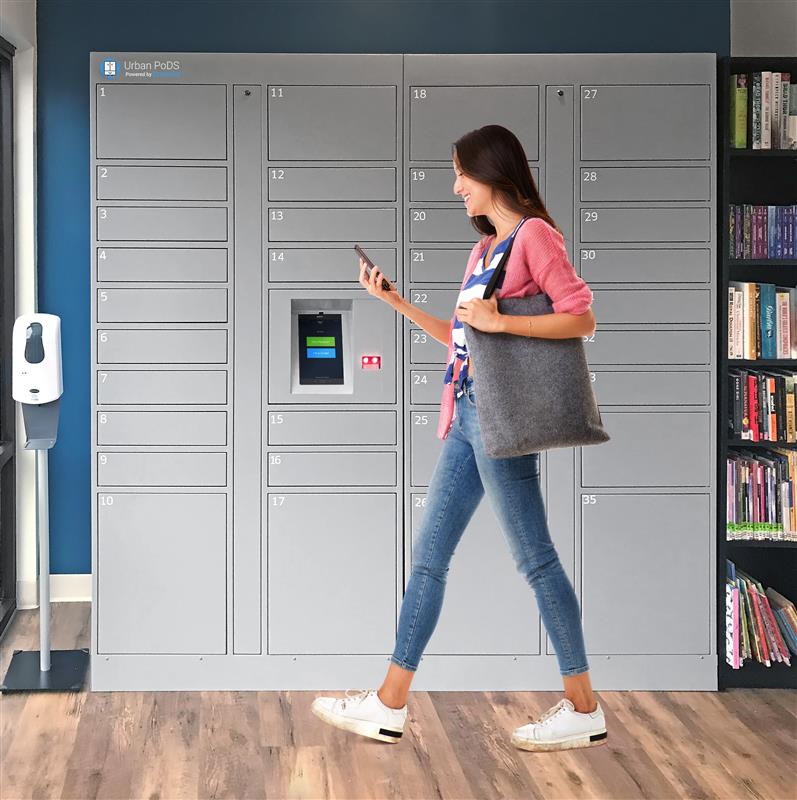
This is where Smiota stands out:
It offers a purpose-built, scalable smart locker ecosystem designed to support modern library workflows, from holds to returns to secure, after-hours access.
And while Smiota works with residential buildings, retailers, and campuses, this broader experience strengthens, not distracts from, its library capabilities. It means libraries get a locker system engineered with durability, flexibility, and reliability in mind.
For libraries that want more than a single-purpose locker, Smiota provides a platform that grows with them and adapts to a wide range of circulation and delivery scenarios.
Conclusion
Both Bibliotheca and Smiota offer smart locker solutions. Both give patrons convenient access, enable after-hours pickup, and reduce staff workload. But their strengths differ:
- Bibliotheca is ideal for libraries seeking a complete system to manage all their library workflows and activities.
- Smiota, on the other hand, is the choice for organizations looking for true locker specialists, a system designed to handle parcels, deliveries, equipment, media kits, and more, while still integrating seamlessly with ILS platforms like Koha, Polaris, and Sirsi Dynix.
Ultimately, the decision comes down to your particular need:
Do you want a locker that supports only book pickups and returns?
Or a system capable of evolving with your library and community over time?
Smiota is built for libraries ready to think beyond the traditional model, and ready for a smarter, more flexible future. Get in touch with us today to learn more about our locker solutions for libraries.