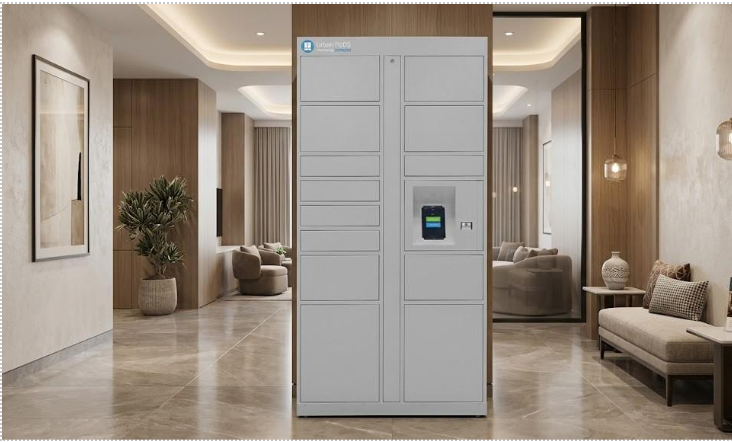
The modern workplace is evolving faster than ever. Hybrid work models, rapid onboarding cycles, frequent device exchanges, and increased internal deliveries have created complex logistical challenges within organizations. Employees expect quick access to the tools and resources they need, while IT, HR, and facilities teams struggle to keep up with repetitive handoffs and tracking. Traditional manual processes such as walking items around the office, logging deliveries by hand, or storing assets at reception desks no longer meet the demands of dynamic corporate environments. Smart locker automation has emerged as a powerful solution to streamline these processes. By introducing secure, automated handovers, smart lockers simplify internal logistics, reduce administrative burdens, and create a more efficient and accountable workplace ecosystem.
The Changing Landscape of Workplace Logistics
As organizations grow, both in workforce and complexity, the movement of physical items inside the workplace becomes more frequent and unpredictable. Employees receive personal packages at work, IT teams deploy laptops and devices, HR distributes uniforms or documents, and facilities deliver keys or equipment across departments. Without a structured system, these tasks become time-consuming and prone to miscommunication. Missed handovers, misplaced items, and delayed exchanges interrupt productivity for both staff and employees.
Smart lockers provide a centralized, automated solution that resolves these inefficiencies. Instead of relying on face-to-face interactions or scheduled handoffs, lockers allow employees to retrieve items at their convenience. When an item is deposited into a locker, the intended recipient receives an instant notification containing a secure access code or QR link. They can collect the item at any time, even outside regular working hours, without needing assistance from administrative staff. This flexibility drastically reduces delays and ensures smoother operations across the organization.
Transforming IT Asset Management
One of the areas that benefits most from smart locker automation is IT asset management. The distribution, replacement, and retrieval of devices such as laptops, chargers, access cards, monitors, or repaired equipment has traditionally required manual coordination. IT departments often spend valuable time tracking down employees or arranging meetings to exchange items. Moreover, the lack of clear audit trails increases the risk of lost or unreturned devices.
Smart lockers revolutionize this process by creating a secure, documented handover system. IT teams can deposit devices into lockers, assign them to specific employees, and rely on automated notifications to complete the exchange. Every locker transaction is logged, providing full visibility into who collected which item and when. This level of accountability significantly reduces asset loss, improves device lifecycle management, and enhances security within the workplace. For new hires, lockers can store onboarding kits and equipment that employees pick up the moment they arrive, ensuring smooth integration into the company.
Reducing Administrative Burden on Workplace Teams
HR, facilities, and administrative teams often spend hours each week coordinating deliveries, distributing materials, or fielding employee requests. These tasks – though essential – consume time that could be better spent on strategic responsibilities. Smart lockers free these teams from the burden of manual handovers. Items such as ID badges, keys, uniforms, documents, or equipment can be stored in lockers and retrieved without staff involvement.
This automation leads to fewer interruptions and more consistent workflows. Employees no longer need to rely on office hours or track down specific team members. In turn, workplace teams benefit from reduced stress, fewer repetitive tasks, and greater control over everyday operations. The streamlined process also enhances workplace professionalism by ensuring that handoffs are systematic, secure, and reliable rather than ad-hoc or inconsistent.
Scaling Across Multi-Site and Hybrid Organizations
As companies operate across multiple locations or adopt hybrid work models, internal logistics become even more complicated. Employees may split time between different offices, work irregular schedules, or collaborate with teams across cities or states. Smart lockers offer a scalable solution that adapts to these changing patterns. Locker networks can be deployed across several branches and managed through a centralized dashboard, giving leadership a unified view of asset movement and locker usage.
This scalability ensures that whether an organization has one office or dozens, processes remain consistent. Employees can enjoy the same secure, self-service pickup experience no matter where they work. Hybrid teams especially benefit from the flexibility to retrieve items whenever they visit the office, eliminating the need to coordinate shifts or wait for personnel to be available.
Conclusion
Smart locker automation represents a major leap forward in workplace logistics. By streamlining internal deliveries, facilitating secure IT asset management, and reducing administrative workload, lockers enable organizations to operate more efficiently and professionally. As companies continue to grow and adapt to hybrid work environments, the need for reliable, automated, and flexible internal logistics will only increase. With advanced solutions like Smiota’s enterprise-grade smart lockers, businesses can create a workplace that prioritizes convenience, accountability, and operational excellence.
FAQs
1. Are smart lockers suitable for large enterprises with high employee counts?
Yes. Smart lockers are highly scalable and can be deployed across multiple sites to accommodate organizations with thousands of employees.
2. Can smart lockers integrate with existing employee access systems?
Absolutely. Smiota lockers support RFID badges, QR codes, PIN authentication, and other secure access methods commonly used in workplaces.
3. Do smart lockers help reduce asset loss in IT departments?
Yes. Every locker transaction is logged, creating full accountability and reducing the risk of misplaced or unreturned devices.
4. What types of items can be distributed using smart lockers?
Smart lockers can store IT equipment, personal packages, uniforms, files, keys, onboarding kits, and virtually any other workplace-related item.