
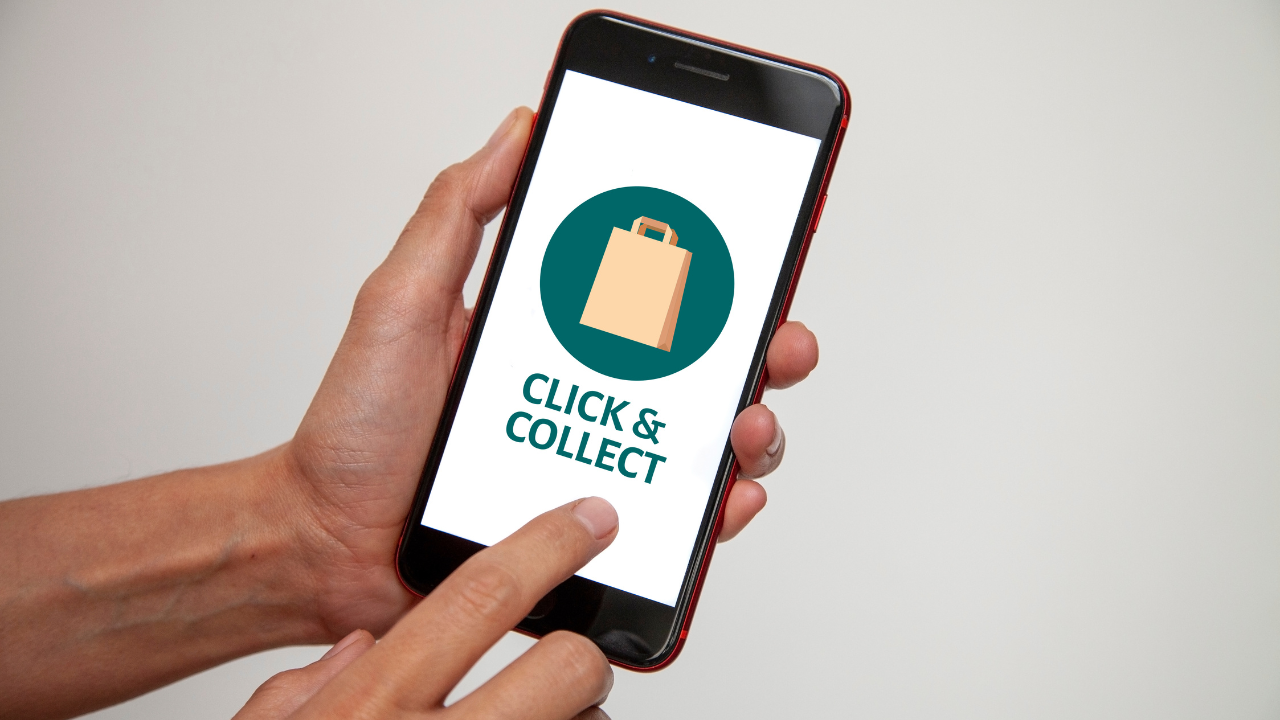
Retail has undergone a major transformation in the last few years, driven by rising customer expectations for speed, convenience, and flexibility. Consumers no longer view online and offline shopping as two separate experiences – they expect a seamless journey between the two. This shift has pushed retailers to adopt omnichannel strategies like Buy Online, Pick Up In Store (BOPIS). But while BOPIS was initially celebrated for bridging online and offline retail, it still comes with challenges such as long queues, staff dependency, and inconsistent pickup experiences. This is where 24/7 click-and-collect lockers are revolutionizing the customer journey. They eliminate friction, streamline operations, and deliver the fast, contactless convenience modern shoppers demand.
The Changing Expectations of Modern Shoppers
Today’s consumers value speed and independence more than ever. Whether buying groceries, electronics, or fashion items, they want their orders ready for pickup exactly when it suits them – not when a store’s staff or schedule allows. Traditional BOPIS counters often fall short of these expectations. Customers must wait in lines, locate staff members, or navigate busy store environments to retrieve their orders. These inconveniences directly impact consumer satisfaction and can discourage repeat purchases.
Click-and-collect lockers offer an entirely different experience. Once an order is prepared, store staff simply place it inside a secure locker compartment. The system automatically notifies the customer that their order is ready, along with a unique access code or QR link. The customer can then walk up to the locker at any time – even outside store hours – scan the code, and collect their order within seconds. This level of autonomy transforms the pickup process from a point of frustration into a moment of ease and efficiency.
How Smart Lockers Enhance Retail Efficiency
Beyond customer convenience, smart lockers significantly improve operational efficiency for retailers. Traditional order pickup processes require staff involvement at multiple points – order confirmation, storage, pickup verification, and handover. During busy periods, this workflow becomes chaotic and slows down both store staff and customers.
Smart lockers eliminate this bottleneck. Employees load completed orders into lockers at their convenience, which frees them from the pressure of immediate handovers. This shift allows retail teams to focus on core responsibilities like helping customers on the floor, managing inventory, and maintaining store experience. Additionally, the automation of order collection reduces human error, minimizes misplaced orders, and ensures that customers always retrieve the correct item.
Retailers that use smart lockers also notice improved throughput. Since customers can pick up orders without interacting with store staff, more orders can be fulfilled and distributed in less time. This becomes particularly valuable during holiday seasons, major sales, and weekends when order volume spikes and floor staff are stretched thin.
Creating a Safe and Contactless Pickup Experience
In a post-pandemic world, safety and minimal physical contact remain important considerations for many shoppers. While traditional BOPIS counters require staff interaction, click-and-collect lockers deliver a fully contactless experience. Customers access their orders without speaking to anyone, standing in crowded areas, or handling items passed through multiple hands.
Smart lockers further enhance safety by providing individual, sanitized compartments that keep orders protected until pickup. Some lockers also support mobile-based unlocking, where customers can open the locker directly from their smartphone without touching the screen or keypad. For retailers looking to maintain high safety standards while delivering convenience, lockers create an ideal balance between hygiene, independence, and speed.
Boosting Customer Loyalty Through Better Experiences
A smooth and efficient pickup experience has a direct impact on customer satisfaction and loyalty. When shoppers trust that their orders will be ready, accurate, and easy to collect, they are more likely to purchase again. Retailers who implement lockers often see improvements in repeat sales, positive reviews, and overall brand trust.
Lockers also help retailers stand out in a crowded market. As more stores compete for customer attention, offering fast and flexible pickup options becomes a valuable differentiator. Smiota’s advanced click-and-collect systems help retailers provide world-class service that goes beyond traditional convenience – creating memorable customer experiences that drive engagement and long-term loyalty.
Conclusion
Click-and-collect lockers represent the next evolution of retail fulfillment. They empower customers with flexibility, accelerate order pickup, and reduce pressure on retail staff. As consumer expectations continue to grow, retailers must embrace solutions that offer both convenience and operational efficiency. With their ability to operate 24/7, integrate seamlessly into store workflows, and deliver consistent satisfaction, smart lockers are becoming an essential component of modern omnichannel retail strategies. Smiota’s intelligent locker systems ensure that every pickup is fast, secure, and effortless -setting a new standard for retail convenience.
FAQs
- Are click-and-collect lockers suitable for small and medium retailers?
Yes. Smart lockers can be deployed in stores of all sizes and configured to match order volume, physical space, and customer traffic.
- Can lockers handle perishable or temperature-sensitive items?
Absolutely. Smiota offers heated and refrigerated locker options that allow retailers to safely store fresh food, meal kits, and temperature-controlled products.
- Does using lockers speed up the customer pickup process?
Yes. Most customers complete their order pickup in less than ten seconds, significantly reducing wait times and congestion.
- Do lockers reduce the workload on store staff?
Yes. Lockers automate the order handover process, allowing employees to focus on more important tasks like customer engagement and store management.