The holiday season has become the most operationally intense period of the year for multifamily properties. With residents relying heavily on e-commerce for gifts, groceries, and seasonal essentials, package volumes can increase dramatically in a matter of weeks. What was once a manageable flow of deliveries can quickly overwhelm leasing offices, front desks, and mailrooms. For properties that are not prepared, the result is predictable: cluttered common areas, misplaced packages, resident frustration, and rising labor costs.
Smart locker systems have emerged as one of the most effective ways for multifamily operators to manage these seasonal delivery surges. When properly planned and deployed, smart lockers do more than store packages – they create a scalable, secure, and resident-friendly delivery ecosystem that can absorb holiday peaks without disrupting daily operations. Preparing for holiday delivery volume with the help of smart lockers requires early planning, thoughtful capacity management, clear workflows, and proactive communication with both staff and residents.
Understanding the holiday delivery challenge in multifamily communities
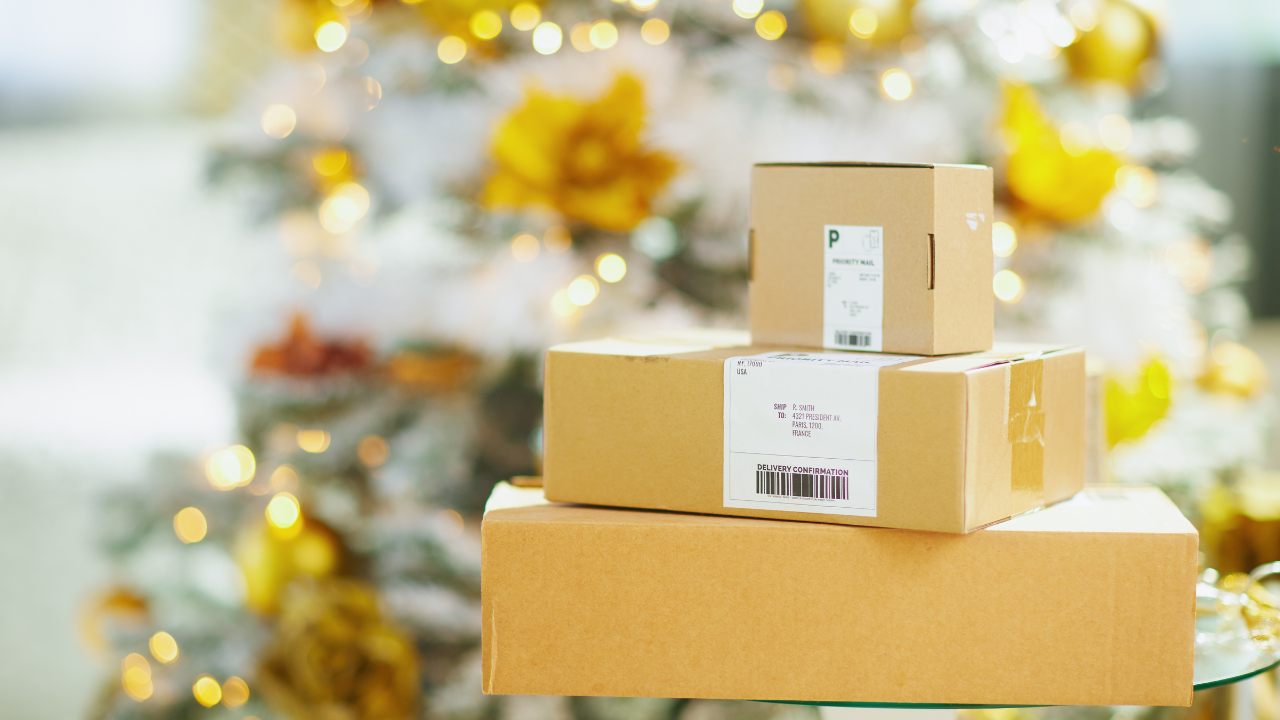
Holiday delivery peaks are not just about volume; they are about variability and complexity. Carriers arrive more frequently, often outside normal delivery windows. Residents order multiple packages in short bursts, sometimes receiving several deliveries in a single day. Items range from small envelopes to oversized boxes that do not fit standard lockers or mailrooms.
In traditional package rooms or front-desk handoff models, every additional package increases staff workload. Team members must accept deliveries, log packages, store them securely, notify residents, retrieve packages during pickup, and manage disputes when something goes missing. During peak season, this labor model does not scale efficiently.
Smart lockers fundamentally change this dynamic. By allowing carriers to deposit packages directly into secure compartments and triggering automated notifications to residents, lockers remove multiple manual steps from the process. However, to perform effectively during the holidays, locker systems must be configured and supported with peak demand in mind.
Planning ahead: why timing matters
Preparing a property for holiday delivery peaks should begin well before the first major shopping events of the season. Waiting until packages begin piling up limits flexibility and often leads to reactive decisions that are more expensive and less effective.
Ideally, preparation begins six to eight weeks in advance. This planning period allows property managers to review historical delivery data, assess current locker capacity, and coordinate with locker vendors about seasonal needs. It also provides time to test integrations with carriers and property management systems, ensuring that notifications, access controls, and reporting functions are working as expected.
Early planning also gives teams the opportunity to align internal stakeholders. Leasing, maintenance, concierge, and security teams all interact with the delivery process in different ways. Defining roles and expectations ahead of time reduces confusion when volume spikes.
Smart locker capacity and configuration for peak season
One of the most common mistakes properties make is underestimating how quickly locker capacity can be exhausted during the holidays. A locker system that performs well for most of the year may reach full utilization during peak weeks, especially if residents delay picking up packages.
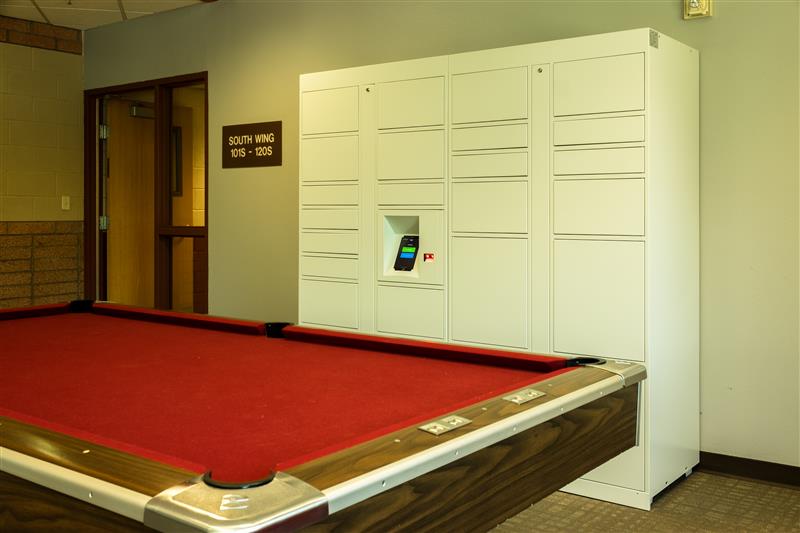
Effective capacity planning starts with a realistic forecast. Properties with historical data should analyze package counts from the prior holiday season and apply a growth factor based on occupancy changes or regional e-commerce trends. Properties without reliable data should plan conservatively, assuming a significant short-term increase in daily deliveries.
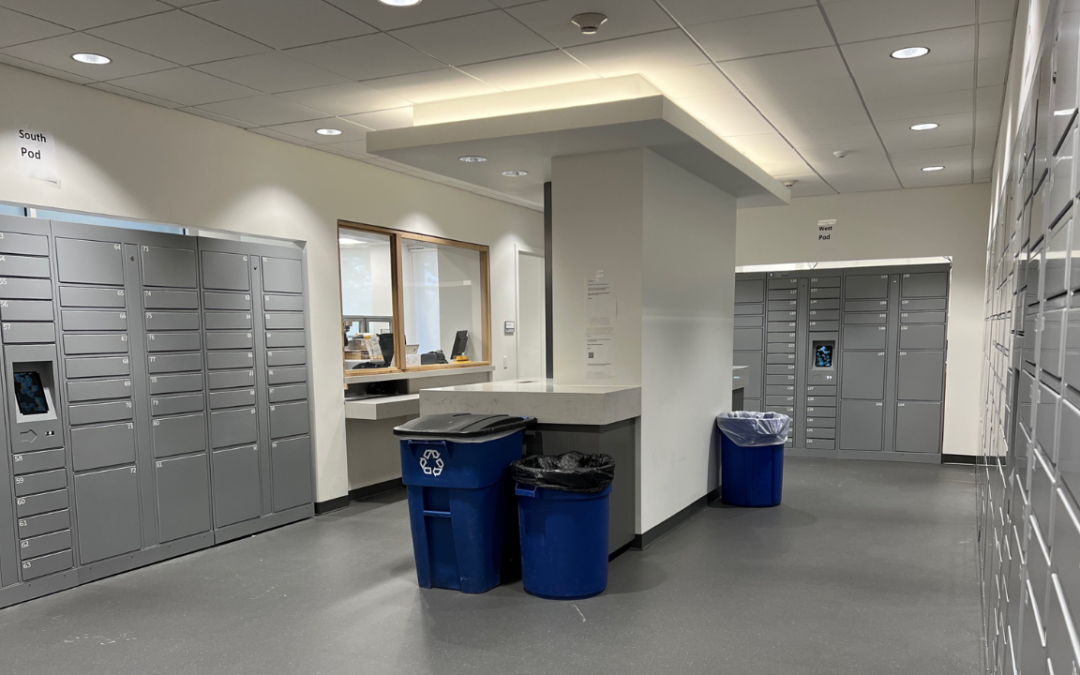
When evaluating locker capacity, it is not just the total number of compartments that matters, but the mix of sizes. Holiday shopping tends to increase the number of small and medium packages, while still introducing occasional oversized items. Many properties benefit from slightly increasing the proportion of medium and large compartments or designating overflow solutions for items that do not fit standard lockers.
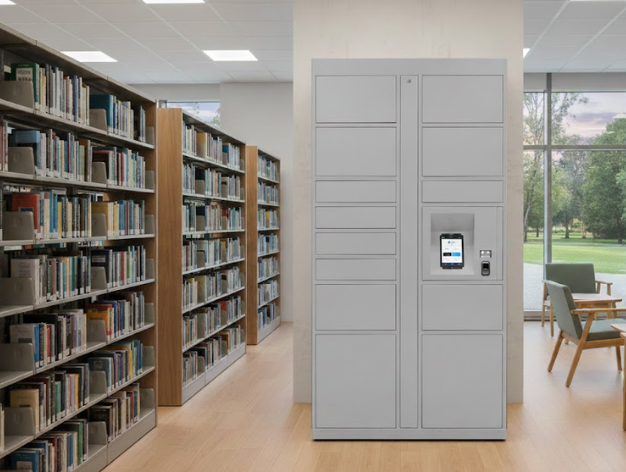
Temporary expansions are also worth considering. Some smart locker providers like Smiota offer modular or rental units that can be deployed during peak periods and removed afterward. Having a predefined threshold – such as consistent locker utilization above a certain percentage – helps managers decide when to activate these options.
Operational workflows that scale under pressure
Smart lockers reduce manual handling, but they still require clearly defined workflows, especially for exceptions. During peak season, ambiguity leads to delays and resident dissatisfaction.
At a minimum, properties should document how standard deliveries are handled, how oversized packages are managed, and how issues such as missed scans or incorrect notifications are resolved. Staff should know exactly what to do when a courier cannot place a package in a locker or when a resident reports a problem.
While much of this can be handled in narrative form during training, certain processes benefit from simple bullet-point clarity, such as exception handling steps:
- Verify locker system logs and delivery timestamps.
- Check designated overflow areas for oversized items.
- Escalate to the locker vendor or carrier using predefined support channels.
- Document incidents for tracking and future process improvement.
By standardizing these responses, properties avoid inconsistent handling during their busiest weeks.
Integration and technology readiness
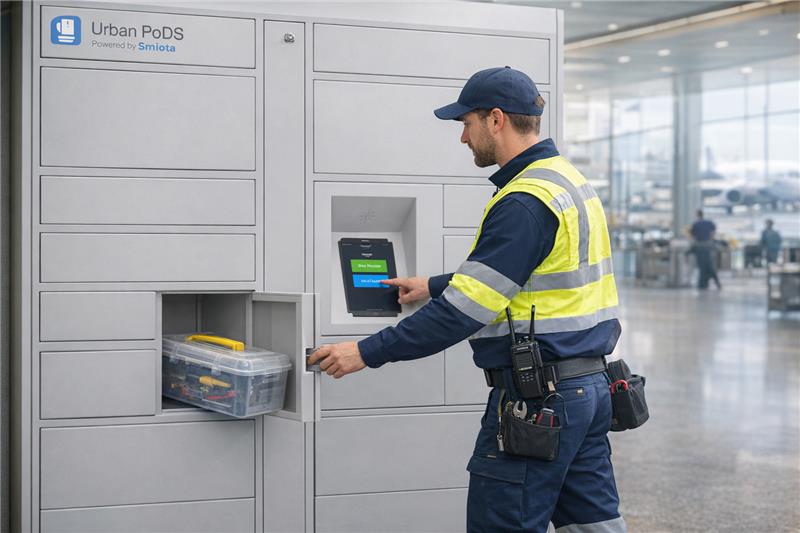
The effectiveness of a smart locker system during peak season depends heavily on its integrations. Lockers should communicate seamlessly with carriers, resident directories, and property management platforms. Automated notifications must be timely and accurate, as delays can lead to longer package dwell times and reduced locker availability. For example, Smiota’s smart lockers for multifamily apartments can be integrated with any property management system.
Before peak season begins, properties should conduct full end-to-end tests. This includes having carriers complete test deliveries, confirming resident notifications, and verifying that access codes or mobile credentials work correctly. Any issues uncovered during testing are far easier to fix in advance than during a high-volume delivery day.
Reporting and analytics also play a crucial role. Dashboards that show utilization by locker size, average pickup times, and delivery volume trends allow managers to make data-driven adjustments throughout the season.
Resident communication and experience
Even the most advanced locker system will struggle if residents do not understand how to use it. Holiday delivery peaks are not the time to introduce a system without clear communication.
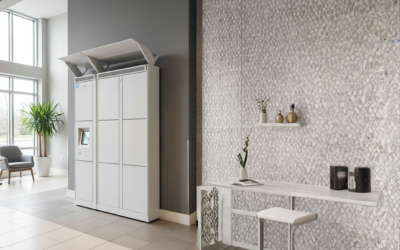
Properties should educate residents in advance, explaining how deliveries work, what to do when a package does not fit in a locker, and how long packages can remain in lockers before being removed. This communication is most effective when delivered through multiple channels, such as email, resident portals, and physical signage near the lockers.
Clear expectations help drive faster pickups, which in turn frees up locker capacity. When residents view smart lockers as a convenient amenity rather than a restrictive system, adoption increases and operational strain decreases.
Staffing, training, and internal alignment
While smart lockers significantly reduce labor demands, they do not eliminate the need for staff involvement. Front-desk and operations teams should be trained not only on basic locker use, but also on troubleshooting and resident support.
Training should focus on practical scenarios staff are likely to encounter during peak season. This includes handling oversized items, assisting residents who did not receive notifications, and responding to carriers unfamiliar with the property’s locker system. Having at least one staff member designated as the primary locker point of contact helps streamline communication with vendors and carriers.
Security, accessibility, and compliance considerations
Holiday peaks also amplify security and compliance risks. More packages mean more opportunities for theft or disputes. Smart lockers help mitigate these risks through controlled access and digital audit trails, but properties should still review camera coverage, lighting, and signage around locker areas.
Accessibility is another important consideration. Locker systems must accommodate residents with mobility challenges, and staff should be prepared to offer alternative pickup solutions when needed. Any temporary locker installations should also comply with local fire and building codes, ensuring that emergency access routes remain clear.
Measuring success during and after the season
Monitoring performance during the holiday period allows properties to make timely adjustments. After the season ends, reviewing key metrics provides valuable insights for future planning.
Useful indicators include locker utilization rates, average time from delivery to pickup, number of failed or redirected deliveries, and resident feedback. Over time, these metrics help properties refine capacity planning, improve communication strategies, and justify further investment in smart locker infrastructure.
Conclusion: turning holiday pressure into a competitive advantage
Holiday delivery peaks are unavoidable, but chaos is not. With thoughtful preparation and a smart locker–centered strategy, multifamily properties can absorb seasonal surges while improving security, reducing staff workload, and enhancing the resident experience.
Rather than viewing holiday delivery volume as a temporary problem to manage, forward-thinking operators treat it as an opportunity. Properties that handle peak season smoothly send a powerful message to residents: the building is designed to support modern lifestyles, even at their busiest moments.
Smart lockers, when planned and deployed correctly, are not just a solution for the holidays – they are a long-term operational advantage. To choose the best smart lockers for your property, talk to one of our locker experts here.