Rural libraries are lifelines. They provide books, internet access, job search support, educational programs, and community connection. But unlike large urban systems, rural libraries often serve wide geographic regions with limited staff and tight budgets.
For many residents, visiting the library can mean a long drive, arranging transportation, or adjusting to restricted operating hours. Over time, these barriers reduce engagement – even among people who value the library deeply.
Smart lockers offer a practical solution. By enabling secure, self-service pickup at flexible times and locations, they allow rural libraries to extend access without constructing new branches or increasing payroll. Instead of expanding buildings, libraries expand reach.
The Core Challenges Rural Libraries Face
Rural libraries operate in conditions that differ significantly from urban systems. Their challenges are shaped by geography, funding limitations, and evolving patron expectations.
Geographic barriers are often the most visible obstacle. A single rural library may serve multiple towns or even an entire county. For many patrons, accessing services requires significant time commitment.
- Residents may live 20, 30, or even 40 minutes away
- Weather conditions can make travel unsafe or unreliable
- Unpaved roads add additional difficulty
- Public transportation is often limited or unavailable
- Seniors and families with one shared vehicle face added constraints
Budget and staffing limitations further complicate access in rural libraries. Many operate with small teams, where staff members juggle multiple responsibilities – from circulation and program management to technology support and community outreach. With limited personnel, expanding services through traditional methods becomes increasingly difficult.
Increasing access often requires additional payroll, higher utility expenses, extended security coverage, and long-term operational commitments. For most rural libraries working within tight municipal budgets, these added costs are rarely feasible or sustainable.
At the same time, patron expectations continue to evolve. Even in rural communities, convenience and flexibility matter more than ever. Students need after-hours access to complete assignments and research. Shift workers may only be available late at night. Working families value flexible pickup options that fit around busy schedules. Patrons also expect streamlined, user-friendly services that mirror the convenience they experience elsewhere.
The central challenge becomes clear: how can rural libraries expand access and meet modern expectations without significantly increasing costs?
What Smart Lockers Do
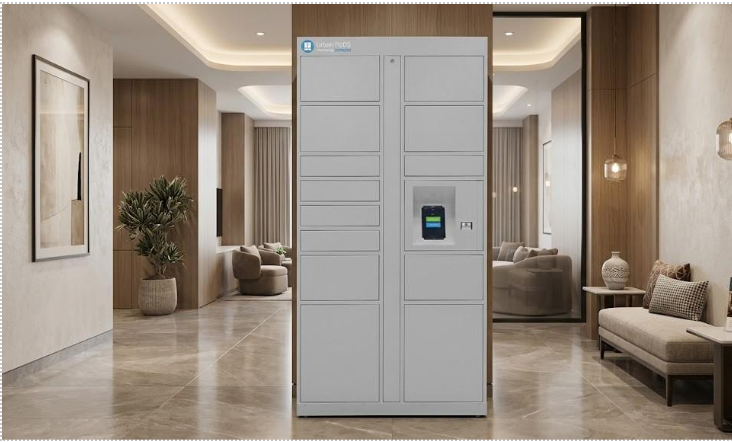
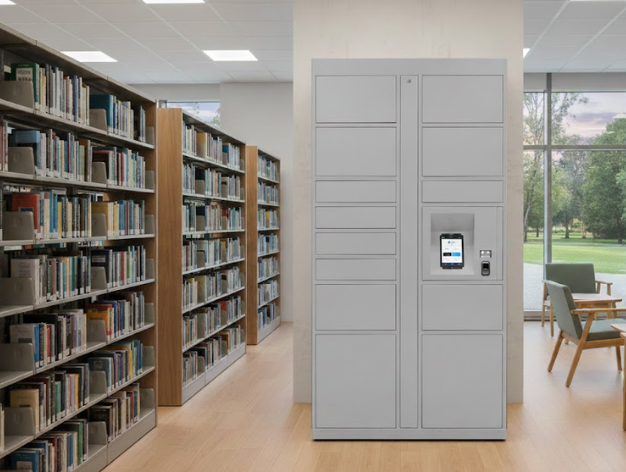
Smart lockers are secure, electronically controlled compartments that can integrate with a ILS (Integrated Library System). When a patron places a hold, staff assign the item to a locker. The patron receives a secure code or digital notification and retrieves the material at a convenient time.
The process is simple:
- A hold is placed online or in person.
- Staff prepare the item and load it into a locker compartment.
- The patron receives an access code.
- Pickup happens independently – often 24/7.
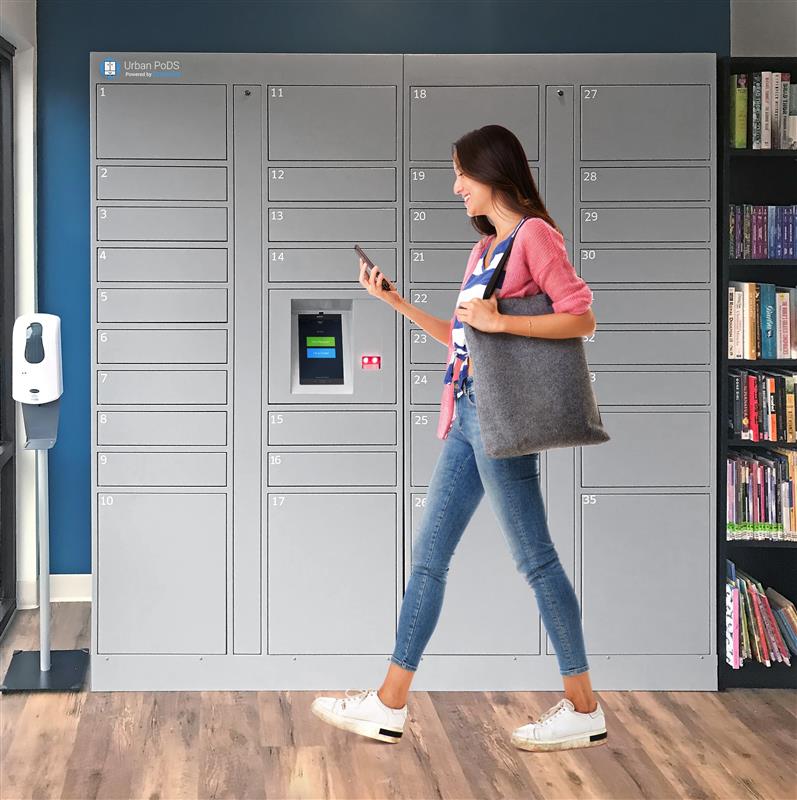
This system separates material access from staffed service hours. The library building may close at 5 or 6 p.m., but access to requested materials continues.
Extending Service Without Extending Hours
One of the most immediate benefits of smart lockers is the ability to provide round-the-clock pickup without keeping the entire facility open.
For rural libraries, this means:
- Serving shift workers who cannot visit during daytime hours
- Supporting students with evening commitments
- Reducing congestion during peak times
- Offering convenience without additional staffing
Instead of increasing payroll or stretching staff schedules, libraries create flexible access points that operate independently.
This is especially impactful in small communities where even minor scheduling conflicts can prevent visits altogether.
Creating Satellite Access Points
Beyond after-hours access, smart lockers enable something even more transformative: distributed service locations.
Rather than constructing new branches, libraries can install lockers in strategic community locations such as:
- Municipal buildings
- Community centers
- Local grocery stores
- Schools or colleges
These locker installations function like “micro-branches,” extending the library’s presence beyond its main building. Patrons in neighboring towns can place holds and retrieve materials locally, eliminating the need to travel long distances to access services.
This approach significantly reduces travel time for remote residents while increasing the library’s visibility in surrounding communities. Because these locations do not require permanent staffing, they avoid the operational complexities associated with traditional branches. The overall costs are also far lower than constructing and maintaining a new facility.
In effect, the library transforms from a single physical destination into a distributed network of access points, bringing services closer to the communities it serves.
Improving Equity and Access
Distance often creates hidden inequities. Seniors with mobility limitations, families without reliable transportation, and residents in remote agricultural areas may engage less simply because visiting the library is inconvenient.
Smart lockers help level the playing field. By positioning pickup points closer to where people live and work, libraries reduce dependence on transportation and fixed schedules.
This expanded accessibility is particularly important for:
- Technology lending programs
- Educational materials for students
- Workforce development resources
- Interlibrary loan items
When access becomes easier, participation increases – and so does community impact.
A Cost-Effective Growth Strategy
For rural systems operating within strict financial limits, smart lockers provide a scalable alternative to traditional expansion. Compared to opening a new branch, lockers require significantly fewer resources. They involve a lower upfront investment, do not require full-time staffing commitments, and incur minimal additional utility costs. Additionally, lockers typically demand limited long-term maintenance, making them a more cost-efficient option.
They also increase the efficiency of existing collections. When pickup becomes more convenient, hold fulfillment improves and circulation rates often rise.
From a strategic standpoint, lockers allow rural libraries to expand services without committing to long-term structural costs. They offer flexibility – something especially valuable in small communities where budgets fluctuate.
Supporting More Than Books
While often associated with book pickup, smart lockers can support a wide range of materials.
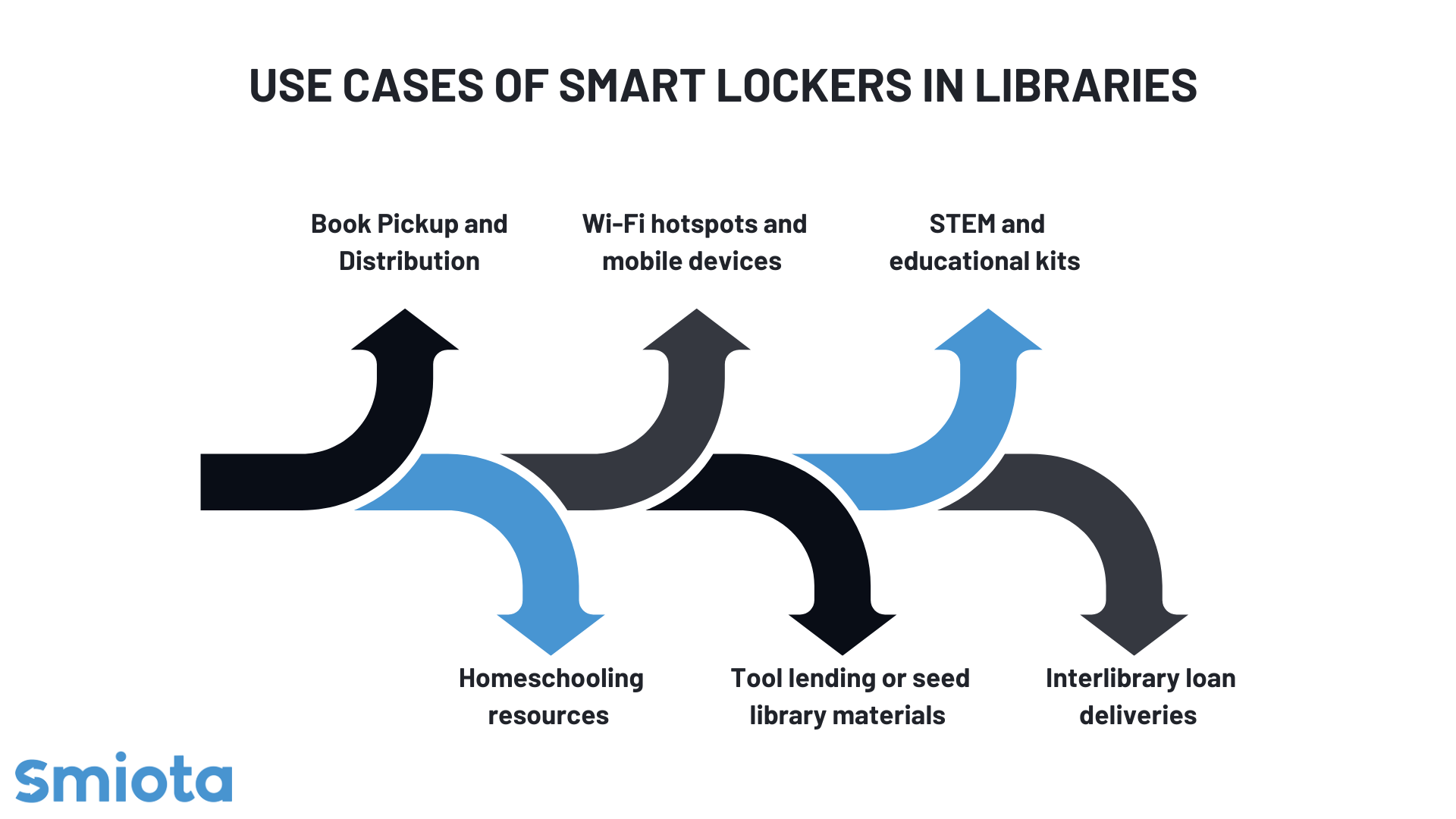
They are particularly valuable for distributing:
- Wi-Fi hotspots and mobile devices
- STEM and educational kits
- Homeschooling resources
- Tool lending or seed library materials
- Interlibrary loan deliveries
In rural areas where broadband access and educational resources may be limited, this capability significantly strengthens the library’s role as a community support center.
Increasing Community Visibility
Strategically placed lockers also reinforce the library’s presence. When installed in high-traffic areas, they act as constant reminders that the library is active, modern, and accessible.
This visibility can help encourage new memberships, strengthen partnerships with local businesses, and increase awareness of additional services offered by the library. It also helps position the library as an innovative leader within the community.
Implementation Considerations
Successful deployment requires thoughtful planning. Rural libraries should evaluate:
- Secure, accessible locations
- Reliable power and internet connectivity
- Weather protection and lighting
- Clear communication to patrons
- A phased rollout approach
Starting with one pilot location allows libraries to measure demand and refine processes before expanding further.
Conclusion: Expanding Reach Without Expanding Buildings
Rural libraries face undeniable structural challenges – geographic spread, limited budgets, and small teams. Yet their mission remains the same: to provide equitable access to information, education, and opportunity.
Smart lockers offer a practical way to meet that mission. They extend service hours, reduce travel barriers, create satellite access points, and support diverse lending programs – all without major infrastructure investment.
In communities where distance can limit opportunity, smart lockers bring the library closer to the people it serves. Instead of asking patrons to travel farther, rural libraries can now extend their reach outward – one secure pickup point at a time.