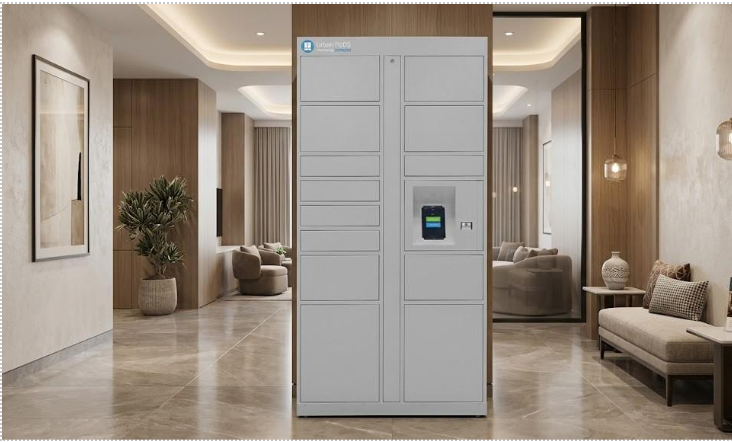

University campuses today are more dynamic and complex than ever. With constant movement of students, faculty, and visitors, maintaining security in an open environment is becoming increasingly difficult. At the same time, the surge in online shopping has led to a dramatic rise in on-campus deliveries, adding another layer of operational strain.
This combination often results in overcrowded mailrooms, misplaced packages, and limited control over who accesses stored items. These aren’t just operational inefficiencies but genuine security concerns.
Smart lockers are emerging as a practical solution to these challenges. While often seen as a convenience feature, they are quickly becoming an essential part of modern campus security by introducing structure, control, and accountability.
The Security Gaps in Traditional Campus Systems
Traditional campus storage and delivery systems rely heavily on manual processes. Staff members are responsible for receiving, sorting, and distributing large volumes of packages daily. Under such pressure, errors are almost inevitable.
Packages can be misplaced, handed over to the wrong person, or left unattended in shared spaces. In many cases, there is no reliable way to track where things went wrong. The lack of a proper audit trail makes it difficult to investigate issues or assign accountability.
Common gaps include:
- Limited tracking of package movement
- Unauthorized access to storage areas
- High dependency on staff availability
- Increased chances of human error during peak times
These vulnerabilities highlight the need for a more structured and secure system.
What Makes Smart Lockers “Smart”?
Smart lockers bring automation and digital intelligence into what was traditionally a manual process. They use secure authentication methods such as PIN codes, QR codes, or RFID-enabled ID cards to ensure that only authorized users can access specific compartments.
Once an item is placed in a locker, the intended recipient is instantly notified with access details. This removes the need for manual coordination and reduces delays. More importantly, every interaction, whether it’s delivery, access, or retrieval, is automatically recorded in a digital system.
Key capabilities include:
- Controlled, user-specific access
- Instant notifications for pickups
- Automated logs for every transaction
- Integration with campus systems and apps
These features work together to create a system that is not only efficient but also highly secure and transparent.
Key Ways Smart Lockers Strengthen Campus Security
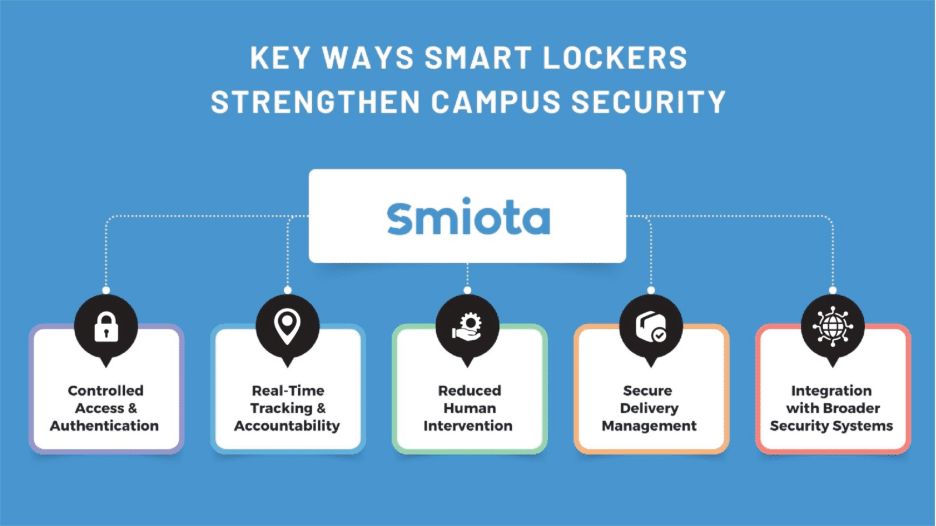
Controlled Access & Authentication
One of the most significant advantages of smart lockers is their ability to restrict access. Unlike traditional storage areas, where multiple people may have entry, smart lockers ensure that only the intended recipient can open a specific compartment. This eliminates ambiguity and significantly reduces the risk of unauthorized access or theft.
Real-Time Tracking & Accountability
Every interaction with a smart locker is recorded and time-stamped, creating a clear digital trail. This level of visibility allows administrators to track the exact journey of a package from delivery to pickup. In case of disputes, this data becomes invaluable, enabling quick resolution and improved accountability.
Reduced Human Intervention
By automating the handling process, smart lockers reduce the need for manual involvement. Staff no longer need to manage every package directly, which minimizes the chances of human error. It also reduces internal risks associated with mishandling or miscommunication.
Secure Delivery Management
With smart lockers, delivery personnel can securely deposit packages into designated compartments without needing staff assistance. This ensures that items are not left unattended or exposed to theft. In many ways, this system addresses the campus equivalent of “porch piracy,” providing a safe and reliable last-mile delivery solution.
Integration with Broader Security Systems
Smart lockers do not operate in isolation. They can be integrated with existing campus infrastructure such as surveillance systems and access control platforms. This creates a more cohesive security environment where multiple systems work together to enhance visibility and control.
Use Cases Beyond Package Delivery
While package management is the most common application, smart lockers serve multiple purposes across campus. Their flexibility makes them a valuable asset in different departments and scenarios.
For instance, libraries can use lockers to facilitate contactless book pickups and returns, reducing queues and ensuring secure handling. IT departments can streamline the distribution and collection of devices like laptops, maintaining a clear record of asset movement. Similarly, lockers can be used to store lab equipment, ensuring that only authorized individuals can access sensitive materials.
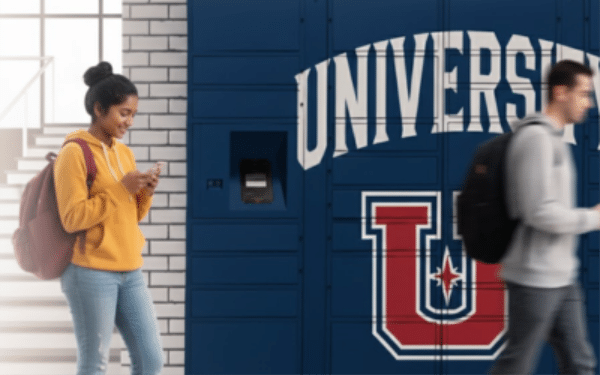
Additional use cases include:
- Contactless food delivery on campus
- Temporary storage for students and staff
- Secure exchange of documents or materials
This versatility makes smart lockers more than just a delivery solution – they become a shared infrastructure for secure access.
Impact on Campus Safety Culture
The adoption of smart lockers has a broader impact beyond operations. It influences how safety is perceived on campus. When students and staff know that their belongings are stored securely and can only be accessed by them, it builds a sense of trust in the system.
It also introduces a culture of accountability. Since every interaction is recorded, users become more conscious of their actions. This transparency reduces misuse and encourages responsible behavior.
Over time, these systems contribute to a more secure and organized campus environment. They also signal that the institution is investing in modern, technology-driven solutions to enhance safety and convenience.
Implementation Considerations for Universities
Implementing smart lockers requires thoughtful planning to maximize their benefits. Placement plays a crucial role and lockers should be installed in accessible yet secure locations such as residence halls, libraries, and academic buildings.
Equally important is integration with existing campus systems. A seamless connection with ID cards, mobile apps, and IT infrastructure ensures a smooth user experience. Universities should also consider scalability, ensuring that the system can expand as demand grows.
Other key considerations include:
- Ensuring user awareness and easy onboarding
- Providing clear instructions for use
- Addressing data privacy and security requirements
A well-executed implementation ensures that both security and usability goals are met.
Final Thoughts: Why Universities Are Turning to Smarter Locker Solutions
As campuses evolve, so do their security challenges. Traditional systems are no longer sufficient to handle the scale and complexity of modern university operations. Smart lockers offer a practical solution by combining security, efficiency, and convenience into a single system.
They strengthen campus security by:
- Restricting access to authorized users
- Creating a transparent audit trail
- Securing deliveries and shared resources
Solutions like Smiota lockers are helping universities take this step forward. With advanced access control, seamless integration, and scalable deployment options, Smiota enables institutions to modernize their infrastructure without added complexity.
For universities aiming to create safer, smarter campuses, smart lockers are no longer optional but an essential part of the security ecosystem. Learn more about how Smiota lockers can enhance student and staff experience in your university by talking to one of our locker experts.