Walk around any modern university campus today and you’ll notice something interesting. Beyond lecture halls and libraries, there’s innovation unfolding. Students are no longer waiting to graduate to build something meaningful. They’re launching D2C brands from their dorm rooms, running thrift stores on Instagram, shipping handmade products, managing freelance agencies, and even testing hardware prototypes while juggling classes.
These student entrepreneurs are ambitious, creative, and resourceful but they’re also constrained. Limited space, tight schedules, lack of infrastructure, and constant time pressure shape their everyday reality. While universities actively encourage entrepreneurship through incubators, clubs, and funding programs, one critical gap often goes unnoticed: operational support.
This is where Smart Lockers step in, not as flashy startup tools, but as practical enablers that quietly remove friction from a student entrepreneur’s day.
The Reality of Being a Student Entrepreneur
Before we talk about solutions, it’s important to understand the challenges faced by young entrepreneurs on campus. These challenges are not about ideas or motivation. They’re about execution.
Most student founders don’t have offices, warehouses, or fixed working hours. They operate between lectures, exams, part-time jobs, and hostel curfews. A typical day might include attending classes in the morning, packaging orders in the afternoon, and coordinating deliveries late at night.
Some of the most common challenges faced by entrepreneurs at the student level include inconsistent access to storage, difficulty managing deliveries and returns, lack of secure spaces to store inventory or equipment, and dependence on friends or roommates to receive packages. Even something as simple as missing a courier delivery can derail a tight schedule.
When these small inefficiencies add up, they drain energy that could otherwise go into building the business.
Why Campus Infrastructure Matters More Than Ever
Universities have traditionally focused on academic infrastructure: classrooms, labs, libraries, and hostels. But as entrepreneurship becomes a core part of campus life, infrastructure needs to evolve too.
For student entrepreneurs, the campus itself becomes their operational base. It’s where they live, work, meet collaborators, and interact with customers or vendors. Having access to shared, flexible infrastructure can significantly lower the barrier to building something real.
University smart lockers are emerging as one such piece of infrastructure, quietly supporting student-led businesses without demanding extra effort from university administrators.
Smart Lockers as a Backbone for Campus-Based Businesses
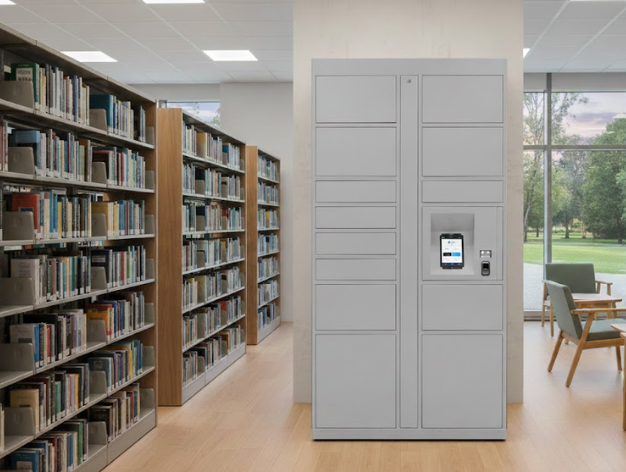
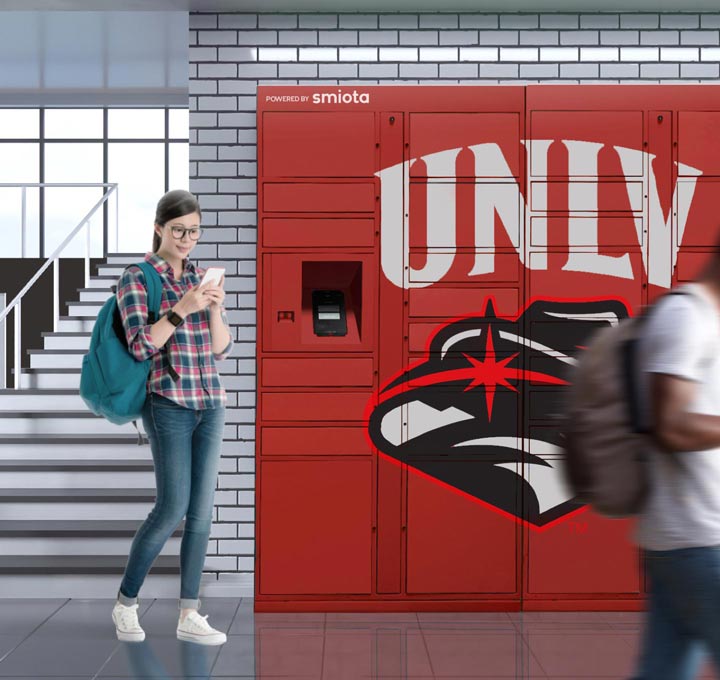
At first glance, lockers may seem like a simple storage solution. But smart lockers for university campuses are far more than that. They combine secure access, automation, and flexibility, making them especially valuable for students running businesses.
For a student entrepreneur, smart lockers can act as a mini logistics hub right on campus. Inventory, tools, documents, or even customer orders can be stored securely and accessed at any time. This removes the dependency on roommates, reception desks, or limited office hours.
More importantly, smart lockers allow students to operate professionally, even when they’re working out of a dorm room.
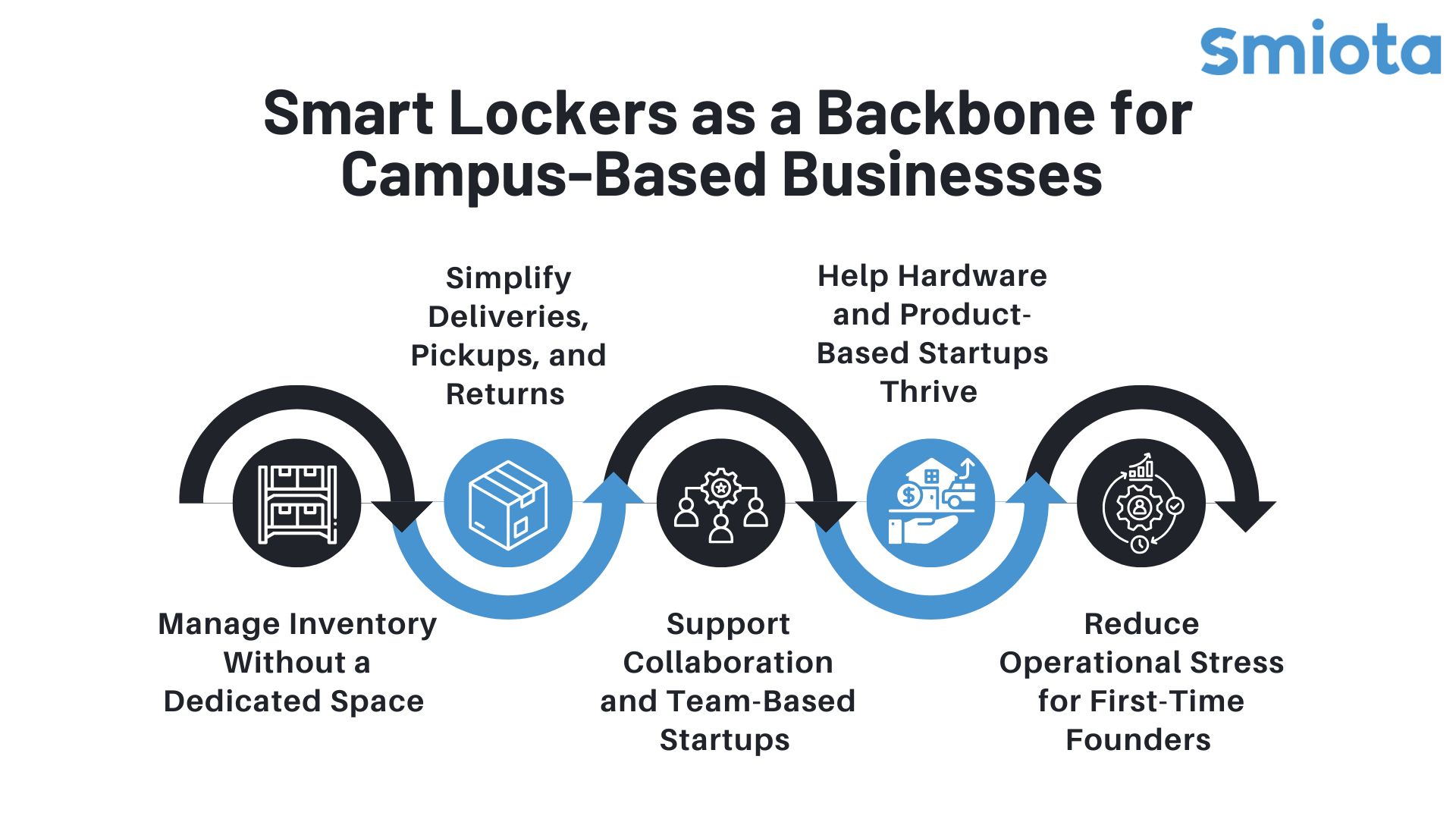
1. Manage Inventory Without a Dedicated Space
One of the biggest pain points for student founders is storage. Whether it’s apparel stock, handmade products, electronics, or marketing materials, inventory needs space and hostels rarely offer enough of it.
With Smart Lockers, student entrepreneurs gain access to secure, shared storage without renting external space. They can store products safely on campus, access them when needed, and scale up or down depending on demand.
This flexibility is especially valuable during peak seasons like fest sales, college events, or exam breaks when business activity fluctuates.
2. Simplify Deliveries, Pickups, and Returns
Deliveries are another operational hurdle. Couriers don’t align with class schedules, and hostel reception desks often have limited hours or strict rules. Missed deliveries can mean delayed orders, unhappy customers, and lost revenue.
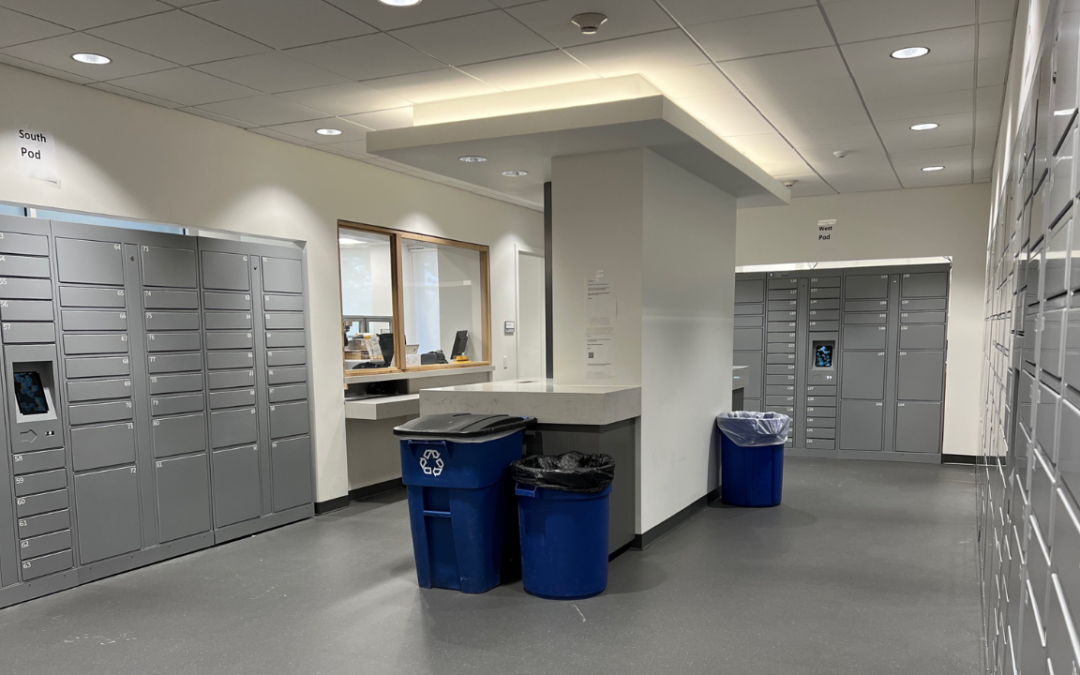
University smart lockers solve this problem by enabling contactless, 24/7 package handling. Student entrepreneurs can receive raw materials, packaging supplies, or customer returns directly into lockers without being physically present.
They can also leave outgoing orders in lockers for scheduled pickups, reducing the need to wait around or coordinate handovers. This small change saves hours every week, time that matters deeply to students balancing multiple commitments.
3. Support Collaboration and Team-Based Startups
Many student startups are not solo ventures. They involve co-founders, designers, marketers, and developers working around unpredictable schedules.
Smart lockers become a neutral collaboration point. Team members can drop off samples, documents, devices, or marketing materials for others to collect later. No constant coordination. No missed handovers.
For student teams working late nights or across different buildings, this kind of asynchronous collaboration removes unnecessary stress and keeps momentum going.
Also read: 10 Ways Smart Lockers Are Transforming Campus and Community Engagement
4. Help Hardware and Product-Based Startups Thrive
Not all student startups are digital. Many campuses are seeing a rise in hardware innovators, product designers, and makers experimenting with physical prototypes.
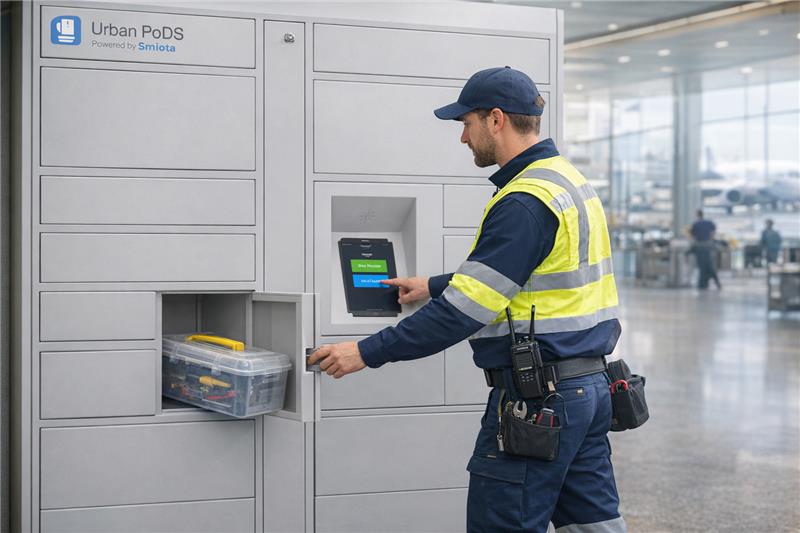
These students often face unique challenges: where to store prototypes, how to control access, and how to avoid damage or loss. Smart lockers provide a secure environment for storing sensitive equipment or early-stage products.
For universities that encourage innovation labs and maker spaces, smart lockers extend those facilities beyond fixed hours, giving students greater freedom to experiment.
5. Reduce Operational Stress for First-Time Founders
The challenges faced by young entrepreneurs are not just logistical, they’re more than that. Running a business for the first time is overwhelming. Every small obstacle feels bigger when experience is limited and margins are tight.
By removing friction from daily operations, Smart Lockers indirectly reduce stress. Students don’t have to worry about missing deliveries, losing inventory, or coordinating access. That mental bandwidth can then be redirected toward learning, creativity, and growth.
This kind of support may not show up in pitch decks, but it makes a real difference in sustaining student-led ventures.
A Campus That Encourages Entrepreneurship in Practice
Many universities talk about fostering entrepreneurship, but students judge support by what actually helps them day to day. Infrastructure like smart lockers for university campuses sends a clear signal: the institution understands how students build businesses in real life.
It shows that entrepreneurship is not just an extracurricular activity, but a lived experience supported by practical systems. This strengthens the university’s innovation culture and makes the campus more attractive to future students.
Why Smart Lockers Fit Naturally into University Ecosystems
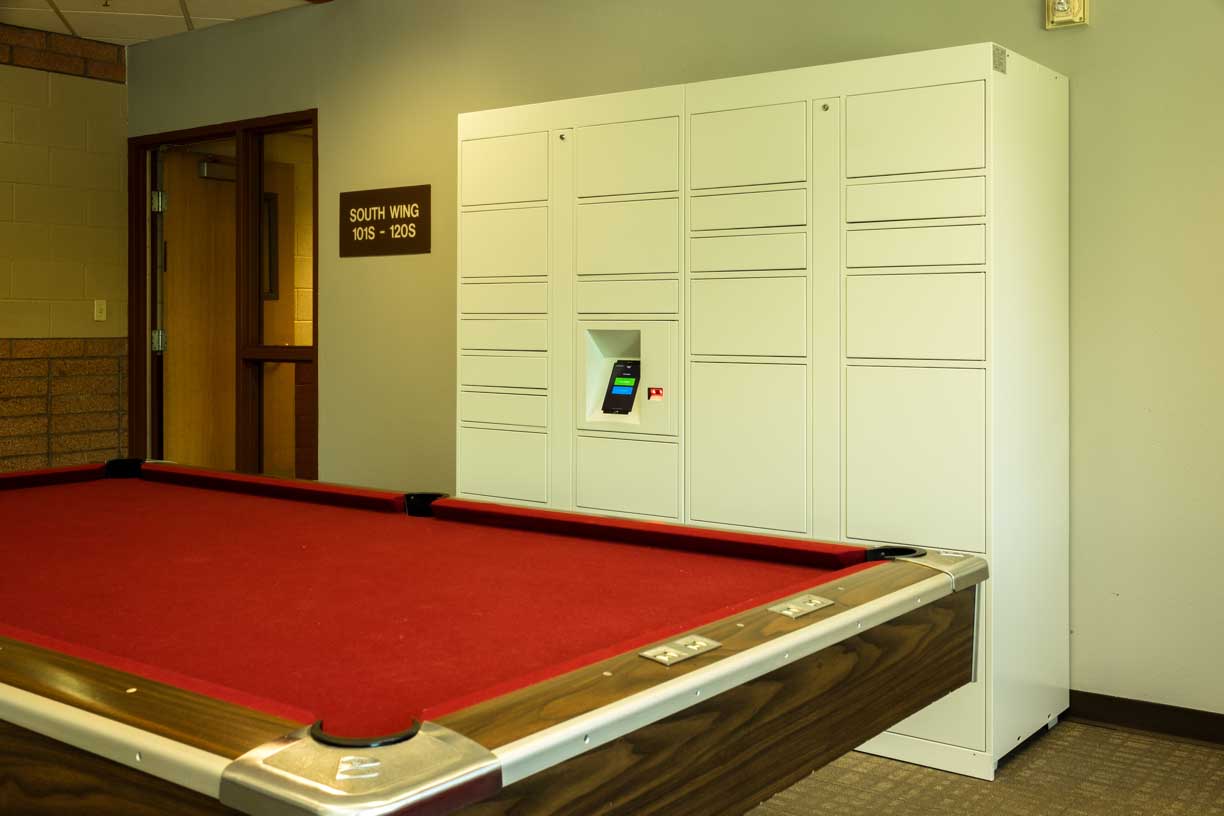
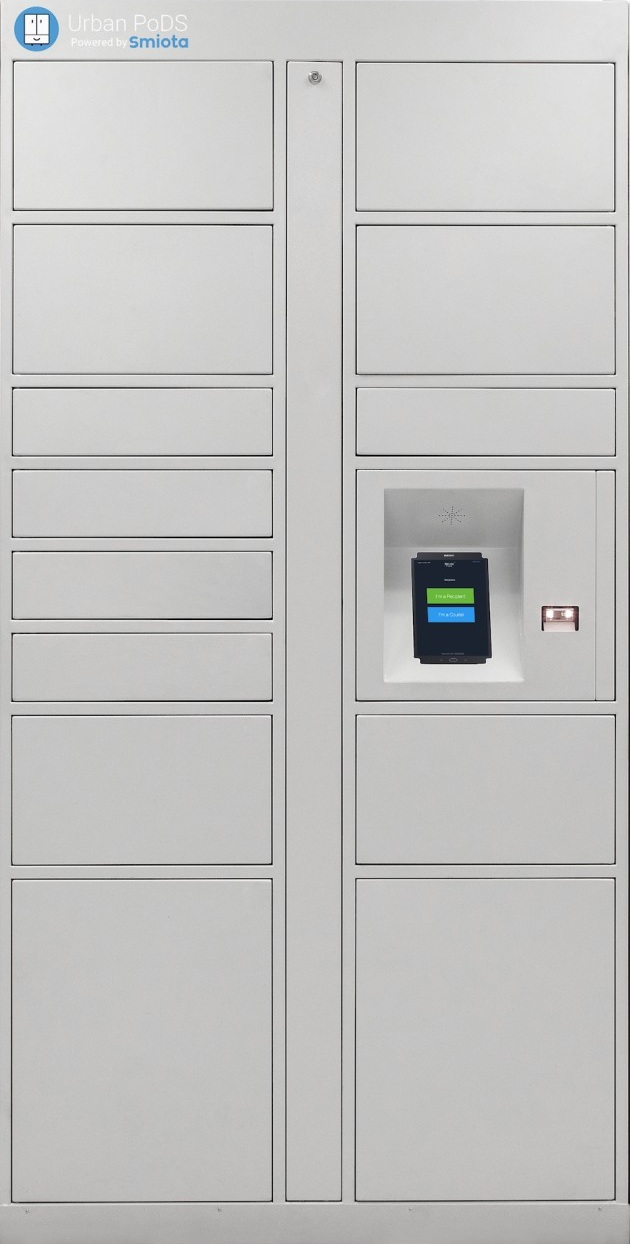
One of the reasons smart lockers work so well on campuses is that they don’t disrupt existing systems. They integrate quietly into student life, near hostels, libraries, innovation hubs, or common areas.
They support multiple use cases simultaneously: parcel management, storage, collaboration, and resource sharing. This versatility makes Smart Lockers a long-term investment rather than a niche solution.
For student entrepreneurs, that means access to professional-grade infrastructure without extra cost or complexity.
Why Smiota Smart Lockers Make a Difference
Not all locker systems are designed for the complexity of university environments. Campuses require flexibility, scalability, and ease of use, and this is where Smiota stands out.
Smiota Smart Lockers are built to support diverse campus workflows, including the evolving needs of student entrepreneurs. They offer modular designs that adapt to different spaces, secure access control for peace of mind, and centralized management that makes life easier for administrators.
For students, Smiota lockers feel intuitive and dependable. For universities, they become shared infrastructure that supports innovation without additional operational burden.
Conclusion: Empowering the Next Generation of Builders
Student entrepreneurs are shaping the future long before graduation. They are learning by doing, building by failing, and growing by navigating real-world constraints. The role of universities is not just to inspire them, but to support them in tangible ways.
University smart lockers may not grab headlines, but they quietly remove friction from the entrepreneurial journey. They help students manage inventory, streamline deliveries, collaborate better, and operate with confidence.
By deploying Smiota Smart Lockers, universities create an environment where ideas don’t stall because of logistics. They give student entrepreneurs the space, flexibility, and support they need to focus on what truly matters, building something meaningful.
And sometimes, that’s all it takes to turn a campus idea into a real business. Contact us today to make your campus startup-friendly.