
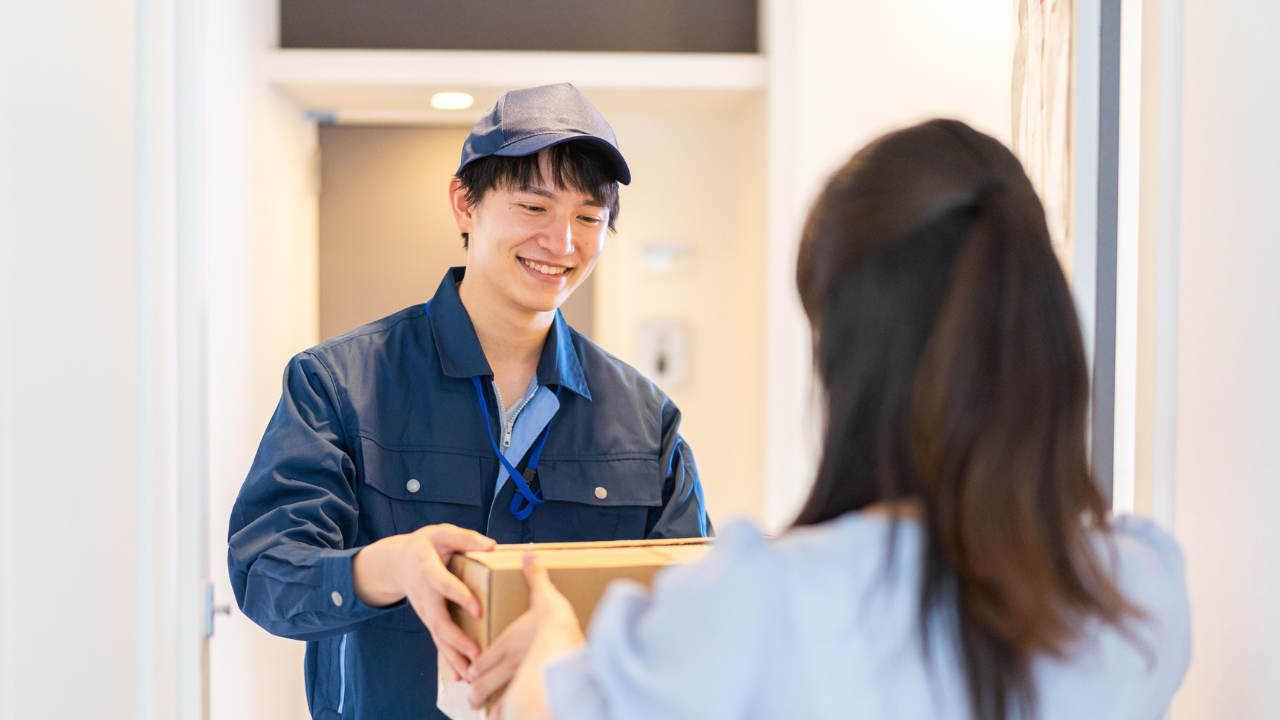
The last mile. It’s where the flawless mechanics of global shipping and logistics often stumble. Door-to-door couriers, unpredictable recipient availability, package theft, failed deliveries, and mounting environmental concerns – these are the enduring pains of modern delivery.
But 2025 marks a notable shift. As e-commerce surges and same-day or next-day deliveries become standard expectation, companies and property managers are turning to a smarter, more secure final solution: automated smart lockers.
Among the leaders steering this change is Smiota – offering a cloud-based smart locker ecosystem that promises 24/7, contactless pickup and drop-off for packages, groceries, food, and other goods.
In this post, we explore why smart lockers have become a key answer to the last-mile crisis, and how systems like Smiota can transform delivery efficiency, convenience, security, and sustainability.
The Last-Mile Problem: Why Deliveries Fail
The “last mile” – the final step in getting a product from dispatch to customer – is often the most expensive, inefficient, and error-prone part of the supply chain. Common issues:
- Missed deliveries: recipients are not home; couriers leave packages in common areas or with neighbours.
- Package theft or loss: unattended packages left in lobbies or outside homes are easy targets.
- Failed delivery attempts & re-deliveries: wasted time, fuel, and extra cost.
- Urban density & restricted access environments: apartment buildings, gated communities, high-rise lobbies complicate doorstep delivery.
- Environmental impact: multiple failed delivery attempts mean more fuel consumption, more carbon emissions.
These pain points not only frustrate customers, they raise operational costs for carriers and merchants.
Why Smart Lockers Make Sense
Smart lockers, particularly those backed by robust software platforms and enterprise-grade hardware address many of these problems. Here’s how:
- 24/7 Contactless Pickup & Drop-off
With smart lockers, deliveries are not tied to residents being home. Couriers simply deposit packages into a secure compartment; recipients get notified via app or text and pick up when convenient. Smiota supports this with secure lockers, automated notifications and accessible apps. - Built-in Security & Chain of Custody
Steel-built lockers, secure access via PIN/QR, package sensors, and a full locker operating system (L-DOS) ensure chain-of-custody reducing risk of theft or loss. - Flexible Locker Types (Indoor, Outdoor, Temperature Controlled)
From standard parcels to food, groceries, or temperature-sensitive items like medication or meal kits – some smart lockers support refrigerated, frozen, ambient or standard storage, extending usability beyond simple parcels. - Integration & Scalability for Volume
Modern locker platforms (like Smiota’s) offer APIs, integration with backend logistics and software tools, and modular configurations – ideal for residential, retail, corporate, university settings or high-volume e-commerce fulfillment. - Convenience & Customer Satisfaction
In a world where customers expect immediacy – quick delivery, easy pickup – smart lockers convert waiting and failed delivery stress into convenience: the package is delivered securely, the recipient picks it up whenever suits them.
Real-World Applications & Use Cases
Smart lockers are no longer futuristic concepts, they already serve a wide variety of industries and use cases:
- Residential & Multifamily Properties: apartment buildings, multi-tenant homes use lockers to handle growing package volume. Residents receive food kits, online shopping, parcels, groceries, and pick up securely on their time.
- Retail & BOPIS (Buy Online, Pick Up In Store): Retailers can ship orders to lockers instead of delivering to doorsteps, giving customers more pickup flexibility while reducing failed drops.
- Student Housing & Universities: Students ordering online deliveries or receiving study-material packages benefit from secure, 24/7 parcel access.
- Corporate Offices & Mailrooms: Companies can simplify internal mail/package handling, IT-asset distribution, returns, courier pickups – saving time and reducing overhead.
- Food & Grocery Delivery, Meal Kits, Pharma: With temperature-controlled lockers, perishable goods and sensitive items can be delivered and stored safely until pickup.
The Bigger Picture: Efficiency, Cost-Saving & Sustainability
- Reduced failed deliveries: fewer repeat tries means lower fuel consumption, fewer emissions, and less wasted time.
- Cost-savings for carriers & retailers: automated drop-offs and 24/7 pickup minimise failed delivery costs and rescheduling.
- Improved customer satisfaction & convenience: flexibility, security, and on-demand pickup increase consumer trust and loyalty.
- Scalable infrastructure for urban density: lockers help manage high volume deliveries in dense residential or commercial spaces, avoiding lobby congestion and lost packages.
In short, smart lockers represent a structural upgrade to how goods are delivered in a high-demand, high-expectation world.
Why Smiota Stands Out
Smiota isn’t just a locker manufacturer, it’s an integrated platform combining hardware, cloud-based locker operating system (L-DOS), real-time APIs, and flexible configurations.
- Its lockers support multiple configurations – indoor, outdoor, standard, refrigerated, frozen – adapting to varied needs (parcels, groceries, meal-kits, medical supplies).
- The system maintains full chain-of-custody tracking and enterprise-grade security with sensors, touchscreens, access controls, and audit logs.
- Through APIs and integrations, Smiota’s solution can connect with property management, retail, or logistics software enabling seamless workflows at scale.
- For properties and organisations, that means a turnkey solution – not just hardware, but software, maintenance, support, and customization.
Challenges & Considerations
Smart lockers aren’t a magic bullet – a few challenges must be addressed for them to succeed:
- Courier adoption: couriers need to adapt to selecting locker size, using touchscreen/QR, which may slow down initial delivery speed. Some logistic teams may resist due to habit or perceived complexity.
- Locker capacity & sizing limitations: extremely large items (furniture, oversized packages) may not fit standard locker compartments, requiring alternative logistics.
- Initial installation cost & space requirements: for building owners/ property managers, installing locker banks requires space, investment, and sometimes retrofitting common areas.
- User education & adoption: residents, employees or customers need to understand and adopt the locker-pickup workflow. Without buy-in, lockers may remain under-used.
Still, for many delivery-heavy, high-volume, high-density environments the trade-off leans strongly in favor of smart lockers, especially when operated by a mature platform like Smiota.
Conclusion
As e-commerce demands grow, consumer expectations rise, and delivery challenges multiply, the last mile remains one of the most complex and costly parts of the supply chain. Smart lockers, especially those powered by comprehensive, flexible systems like Smiota are rapidly becoming a proven solution.
They offer security, convenience, flexibility, efficiency, and sustainability – delivering not just packages, but peace of mind for property managers, couriers, retailers, and recipients alike.
If you’re evaluating solutions for apartments, offices, retail, or any high-volume delivery setting, smart lockers may not just solve a logistics problem. They may reshape how we think about delivery entirely.